


Total Solutions for the Development of Bispecific Antibodies
Bispecific Antibodies (BsAbs) are engineered antibody molecules capable of simultaneously binding two distinct antigens or two different epitopes on the same antigen. Compared with monoclonal antibodies (mAbs), BsAbs enable more precise targeting through dual-target recognition, enhancing antitumor efficacy while potentially reducing off-target risks. Owing to their unique mechanisms of action, BsAbs have demonstrated broad application potential in areas such as cancer immunotherapy and autoimmune diseases.
With the maturation of technology platforms and enhanced molecular design capabilities, BsAb development is advancing toward greater diversification of target mechanisms. Combinatorial approaches involving established targets such as CD3, CD20, HER2, and PD-1, together with co-targeting strategies integrating immune regulation and costimulatory pathways, continue to expand therapeutic boundaries. Nevertheless, significant technical challenges remain, particularly in molecular architecture optimization, expression balance, and process stability.
In response to this trend, ACROBiosystems has developed a comprehensive BsAb Research and Development (R&D) solution. This solution covers target proteins, cell lines, assay kits, antibody tools, and analytical services, offering full support for the development, screening, and functional validation of BsAbs to accelerate your innovative drug development process.
Recombinant Proteins
- Immune Cell Engagers
- Dual Signaling Pathway Modulation
- Immune Checkpoint Modulation
- Targeted Payload Delivery
- Protein Assembly or Functional Substitution
Immune Cell Engagers
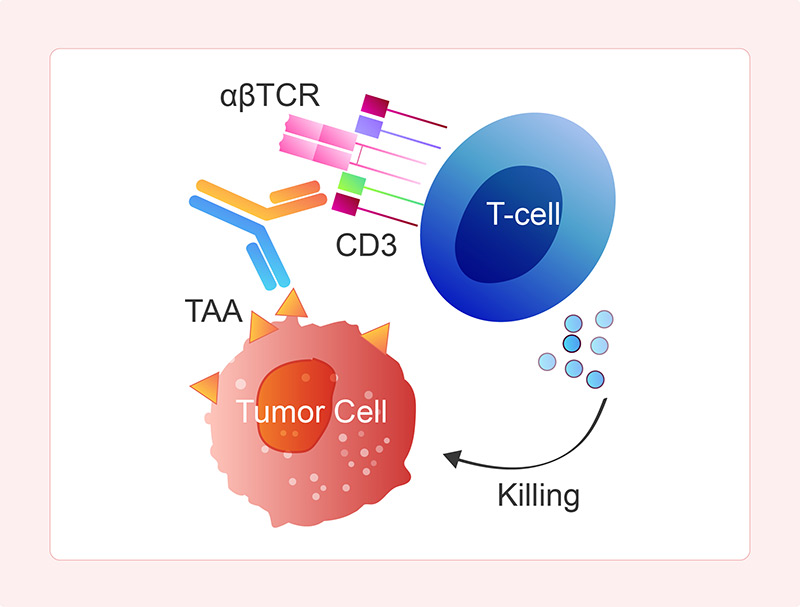
Mechanism of Action of T Cell Engagers (TCEs)
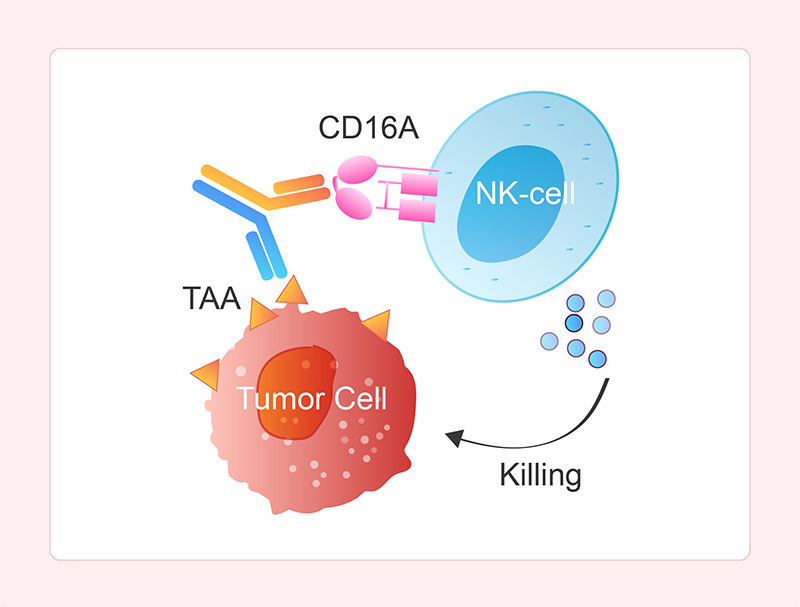
Mechanism of Action of NK Cell Engagers (NKCEs)
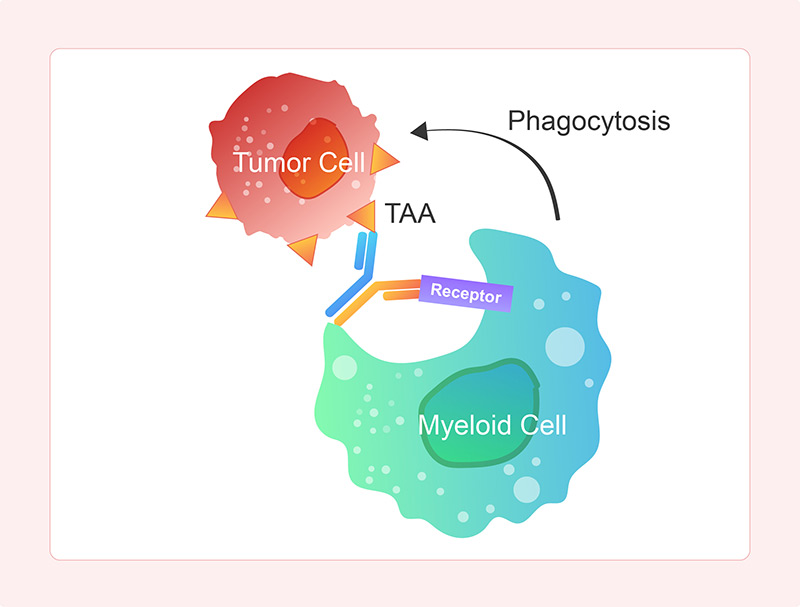
Mechanism of Action of Myeloid Cell Engagers (MCEs)
Immune Cell Engagers (ICEs) represent one of the most typical mechanisms of action for bsAbs, functioning primarily to bridge immune effector cells and tumor cells. One arm targets TAAs, while the other binds activating receptors on immune effector cells (such as T cells or NK cells). This dual engagement precisely recruits immune cells to the tumor site, bypassing MHC restriction and directly triggering immune-mediated cytotoxicity.
NK Cell Engagers (NKCEs): Harness the innate cytotoxicity of NK cells by simultaneously engaging activating receptors (such as CD16a, NKG2D, or NKp30) on NK cells and TAAs on tumor cells, thereby mediating potent tumor cell killing.
Myeloid Cell Engagers (MCEs): Engage myeloid immune cells such as macrophages and dendritic cells by activating receptors including Fc receptors and pattern-recognition receptors (e.g., Dectin-1), or by blocking the CD47–SIRPα inhibitory pathway, thereby enhancing antibody-dependent cellular phagocytosis (ADCP) and antitumor immune responses.
Dual Signaling Pathway Modulation
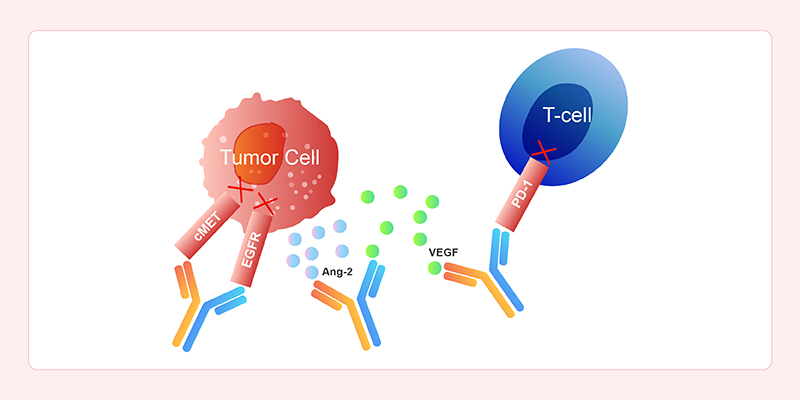
Mechanism of Action of BsAbs Targeting Dual Tumor Signaling Pathways
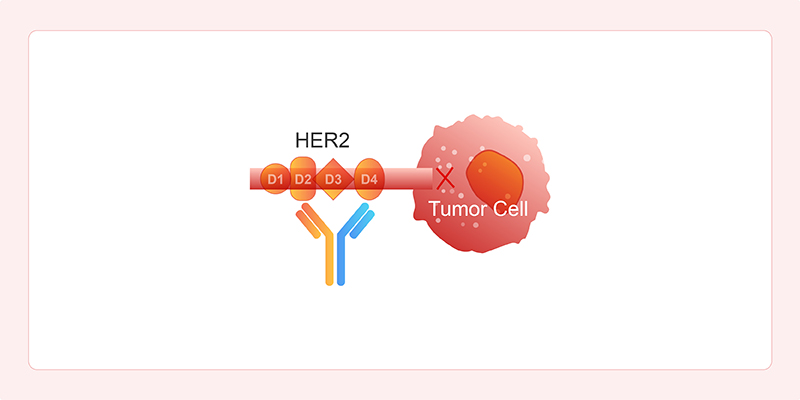
Mechanism of Action of BsAbs Targeting Dual Epitopes on the Same Antigen
The Dual Signaling Pathway Modulation mechanism involves simultaneously targeting and regulating two distinct signaling pathways—or two different targets in the same pathway—to more effectively suppress tumor growth, proliferation, or angiogenesis, and to overcome therapeutic resistance.
Dual Ligand-Blocking BsAbs: Antagonize multiple ligand factors at once, enhancing anti-angiogenic effects (e.g., VEGF × Ang-2).
Receptor-Ligand Dual-Blocking BsAbs: Combine immune modulation with tumor microenvironment improvement to enhance the efficacy of immunotherapy (e.g., PD-1 × VEGF).
Dual Epitope-Targeting BsAbs: Bind two distinct epitopes on the same target protein, enhancing receptor internalization and degradation or providing stronger signaling inhibition (e.g., HER2(D2) × HER2(D4)).
Immune Checkpoint Modulation
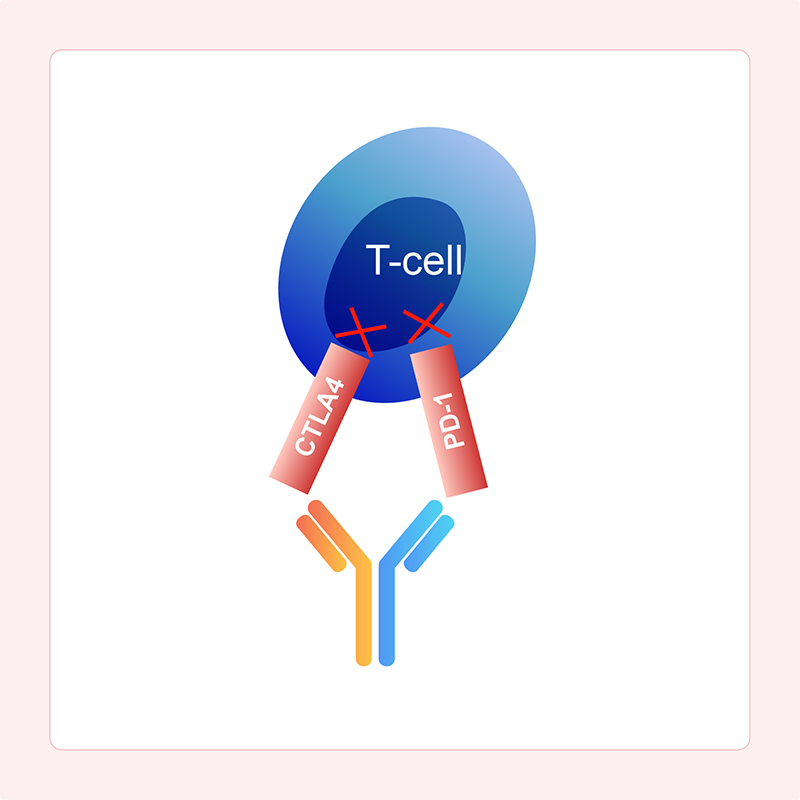
Mechanism of Action of Dual Immune Checkpoint-Inhibiting BsAbs
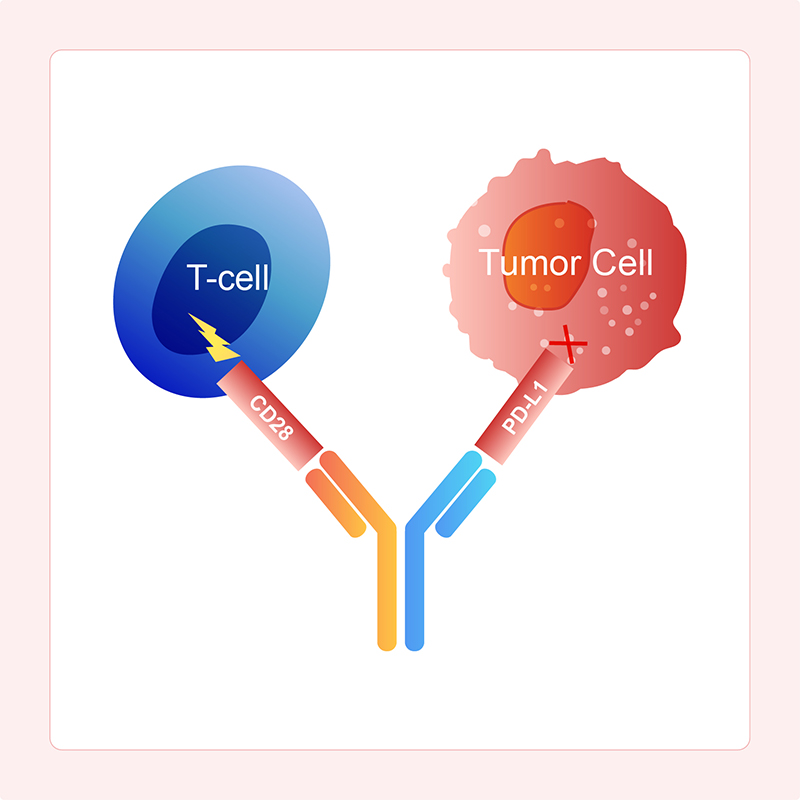
Mechanism of Action of Immune Checkpoint Inhibition with Costimulatory BsAbs
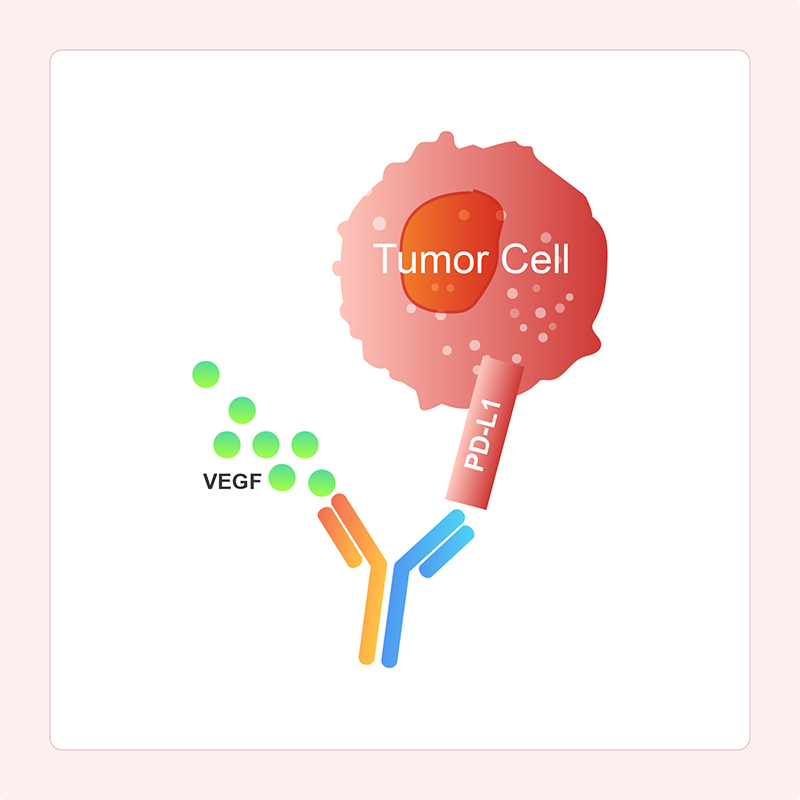
Mechanism of Action of Immune Checkpoint Inhibition with Signaling Pathway-Blocking BsAbs
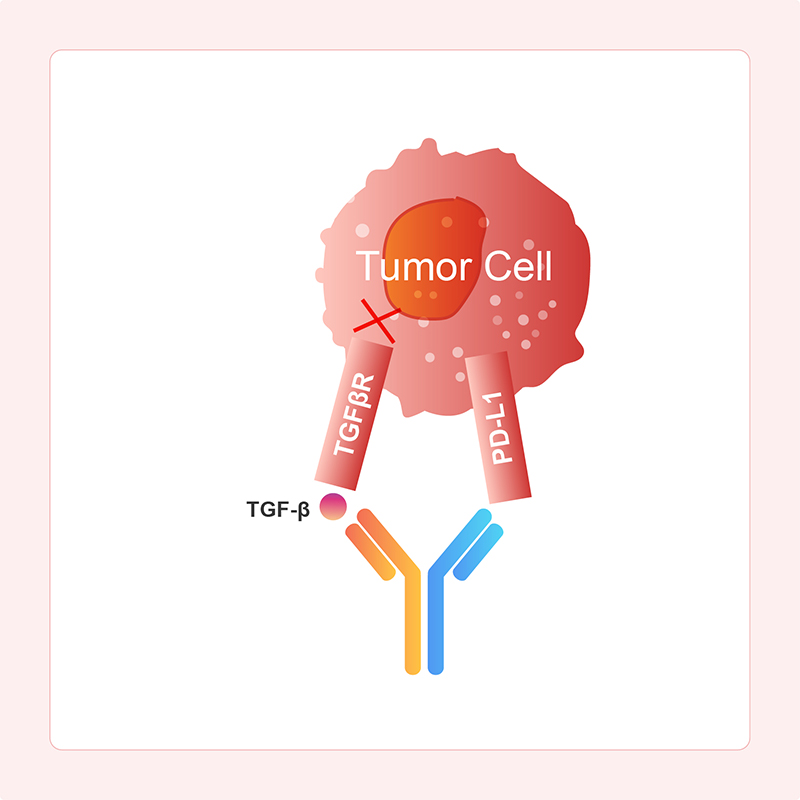
Mechanism of Action of Immune Checkpoint Inhibition with Immunosuppressive Pathway-Modulating BsAbs
The Immune Checkpoint Modulation mechanism involves simultaneously targeting two immune regulatory molecules to more effectively relieve immunosuppression or deliver costimulatory signals, thereby restoring and enhancing antitumor immune responses.
Immune Checkpoint Inhibition with Costimulatory BsAbs: Combine immune checkpoint blockade with costimulatory receptor engagement to provide dual-direction immune amplification (e.g., PD-L1 × CD28).
Immune Checkpoint Inhibition with Signaling Pathway-Modulating BsAbs: Combine checkpoint inhibition with signaling pathway inhibition to restore immune activity and remodel the tumor microenvironment (e.g., PD-L1 × VEGF); or integrate checkpoint inhibition with immunosuppressive pathway modulation to counteract multiple inhibitory factors within the tumor microenvironment (e.g., PD-L1 × TGF-β).
Targeted Payload Delivery
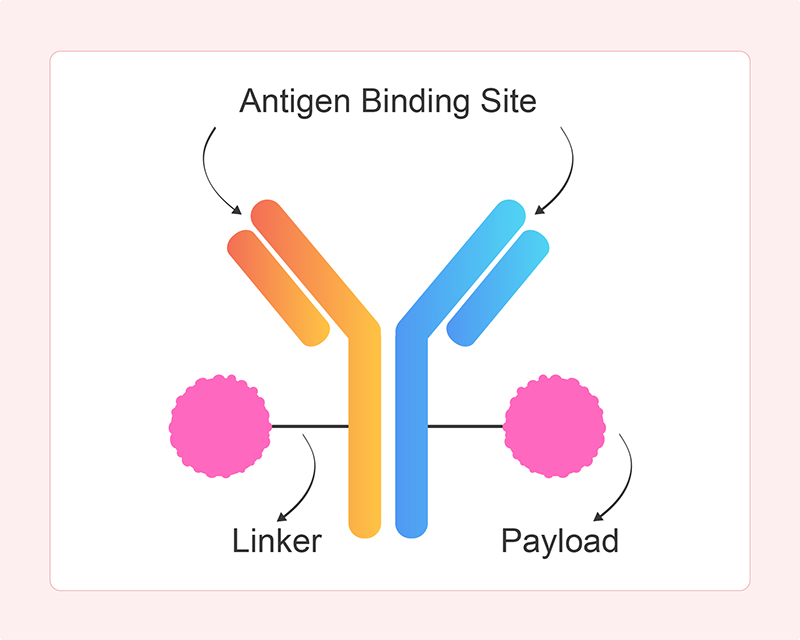
Mechanism of Action of Bispecific Antibody–Drug Conjugates (BsADCs)
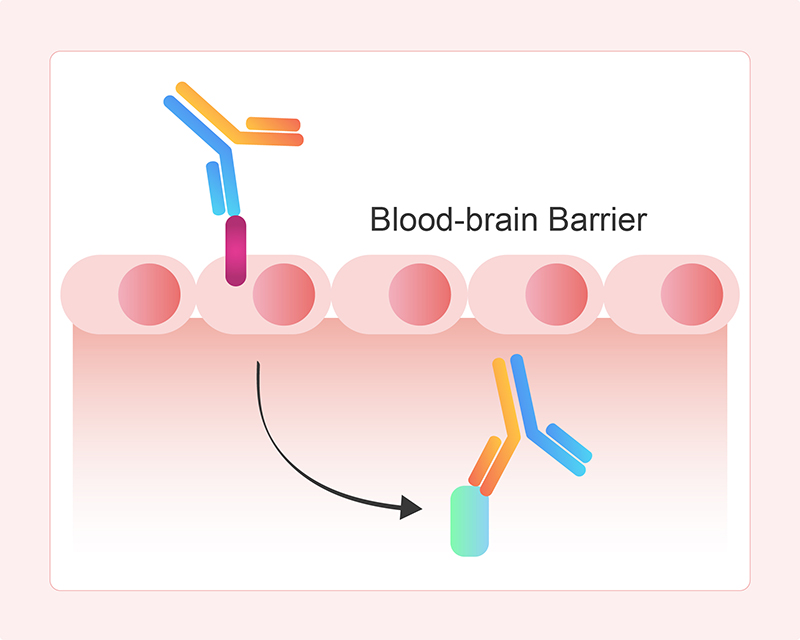
Mechanism of Action of Barrier-Crossing BsAbs
The Targeted Payload Delivery mechanism leverages the dual specificity of bsAbs to precisely deliver drugs, toxins, or other therapeutic molecules to target cells, thereby enhancing efficacy while minimizing off-target toxicity.
Barrier-Crossing BsAbs: Bind to a transport receptor (such as the transferrin receptor, TfR, on the blood–brain barrier) with one arm and to a therapeutic target with the other, thereby facilitating efficient drug delivery across physiological barriers.
Protein Assembly or Functional Substitution
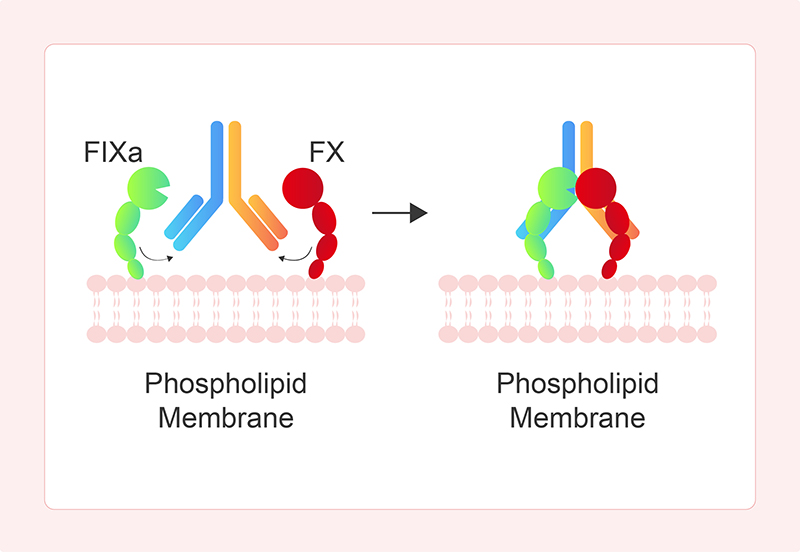
Mechanism of Action of Emicizumab
The Protein Assembly or Functional Substitution mechanism centers on mimicking the function of natural protein complexes or substituting for missing or directly dysfunctional proteins to restore normal physiological processes. For example, Emicizumab (FIXa × FX) mimics the function of the coagulation factor complex, thereby restoring clotting activity in patients with hemophilia.
- Immune Cell Engagers
- Dual Signaling Pathway Modulation
- Immune Checkpoint Modulation
- Targeted Payload Delivery
- Protein Assembly or Functional Substitution
Immune Cell Engagers
Mechanism of Action of T Cell Engagers (TCEs)
Mechanism of Action of NK Cell Engagers (NKCEs)
Mechanism of Action of Myeloid Cell Engagers (MCEs)
Immune Cell Engagers (ICEs) represent one of the most typical mechanisms of action for bsAbs, functioning primarily to bridge immune effector cells and tumor cells. One arm targets TAAs, while the other binds activating receptors on immune effector cells (such as T cells or NK cells). This dual engagement precisely recruits immune cells to the tumor site, bypassing MHC restriction and directly triggering immune-mediated cytotoxicity.
NK Cell Engagers (NKCEs): Harness the innate cytotoxicity of NK cells by simultaneously engaging activating receptors (such as CD16a, NKG2D, or NKp30) on NK cells and TAAs on tumor cells, thereby mediating potent tumor cell killing.
Myeloid Cell Engagers (MCEs): Engage myeloid immune cells such as macrophages and dendritic cells by activating receptors including Fc receptors and pattern-recognition receptors (e.g., Dectin-1), or by blocking the CD47–SIRPα inhibitory pathway, thereby enhancing antibody-dependent cellular phagocytosis (ADCP) and antitumor immune responses.
Other Products
- Assay Kits
- Functional Cell Lines
- Anti-Idiotypic Antibodies
- ComboX, A Combination of Universal Solutions
- Pre-Coupling Magnetic Beads
Assay Kits
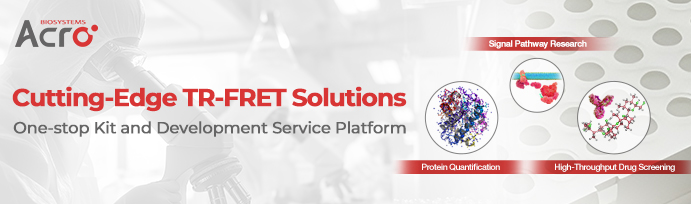
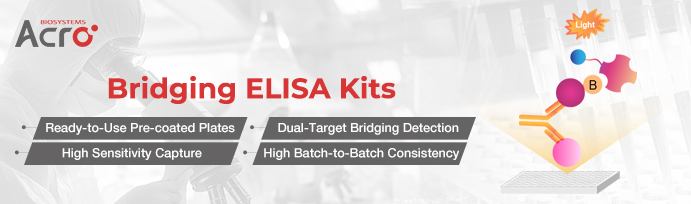
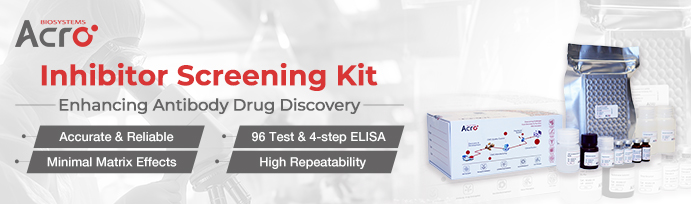
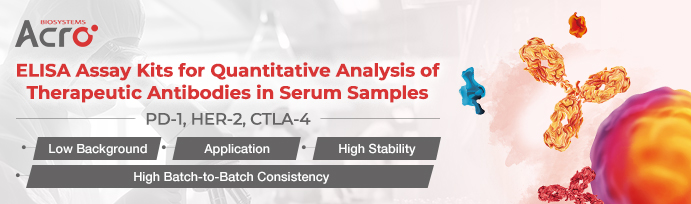
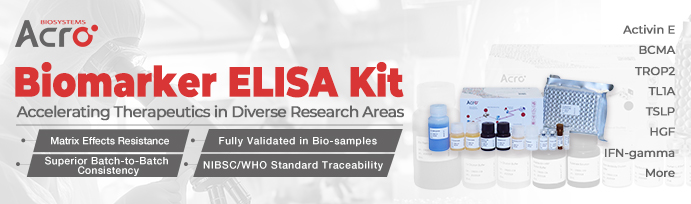
To support BsAbs development from discovery to evaluation, we provide a comprehensive portfolio of assay kits covering TR-FRET, bridging ELISA, inhibitor screening, PK (pharmacokinetic) analysis, and biomarker ELISA kits. Built on high-quality target proteins, these kits feature high sensitivity, straightforward protocols, and broad compatibility, making them ideal for BsAbs screening, efficacy assessment, immune activity studies, and safety evaluation.
Functional Cell Lines
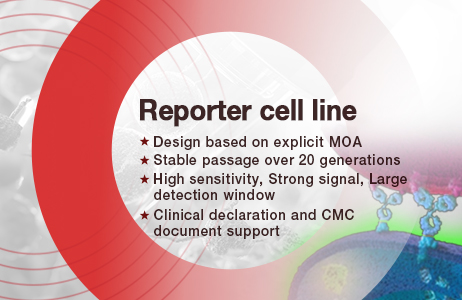
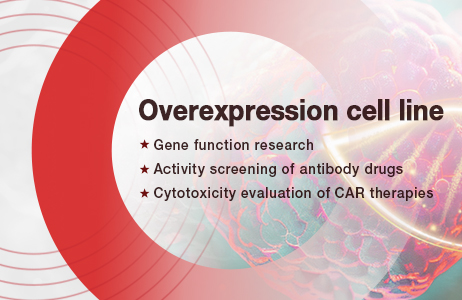
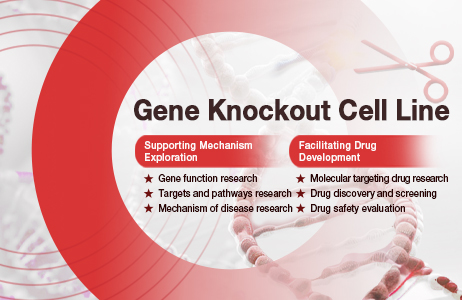
Functional validation is a critical component in the development of BsAb. To meet the needs for various cell models at different research stages, ACROBiosystems leverages its well-established cell engineering platform to develop a range of high-quality functional cell line products, including reporter cell lines, overexpression cell lines and gene knockout cell lines.
 Genetically modified cell lines best reflect MOA (Mechanism of Action)
Higher activity and larger assay window for robust and reproducible cell-based bioassay
Comprehensive application data to support assay development and validation
Full traceable record, stringent quality control and validated cell passage stability
Parental cell line legally obtained from internationally recognized cell resource bank and commercially licensed
Global commercial license assistance whenever regulatory filing is required

Anti-Idiotypic Antibodies
Anti-idiotypic antibodies are antibodies that target the variable region of another antibody to produce specific binding. Anti-idiotypic antibodies are widely used in the development of BsAbs. They can serve as critical reference reagents for immunogenicity assessments and enable the specific quantification of antibody drug levels in biological matrices, making them essential tools for pharmacokinetic studies.
ACROBiosystems is committed to providing high quality key reagents and related services required in the development of targeted therapeutic drugs. We provide a series of anti-idiotypic antibodies with high affinity, high specificity, and high sensitivity. To meet the more unique needs of our customers, we also provide a one-stop service, starting from antigen preparation to monoclonal / polyclonal anti-idiotype antibody and pharmacokinetic / immunogenicity test kit development.
ComboX, A Combination of Universal Solutions
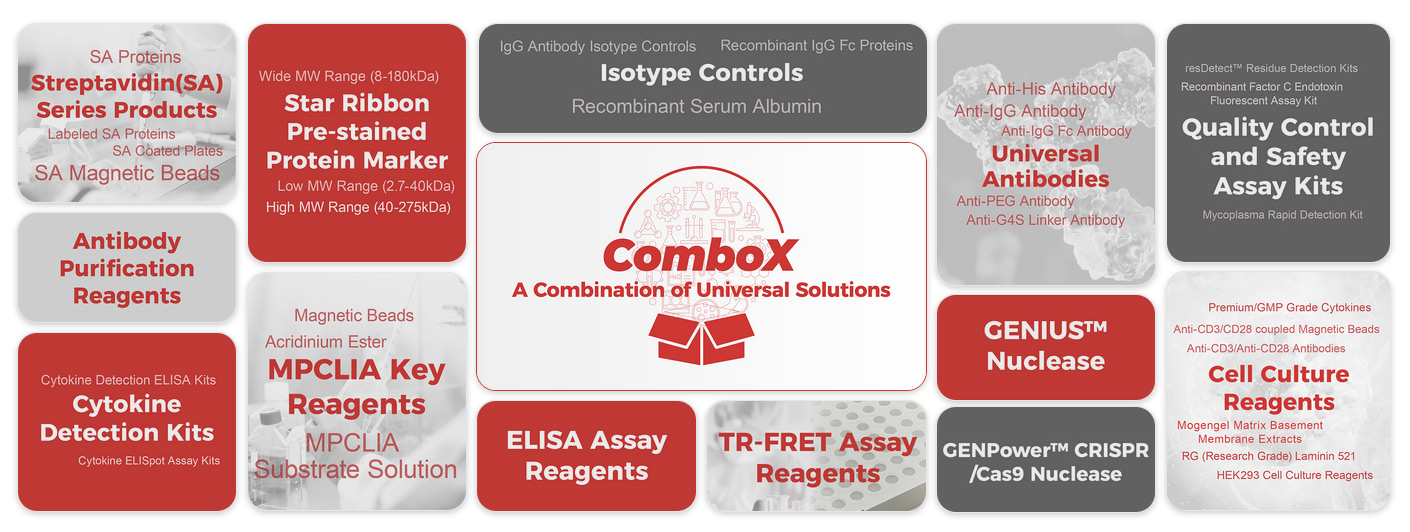
ComboX is a universal product brand meticulously crafted by ACROBiosystems, converging a diverse and high-quality product portfolio to provide comprehensive solutions for scientific research. "Combo", symbolizing combination, reflects our integration of diversified products to meet your varied needs from basic research to biopharmaceutical development. "X", representing infinite possibilities, embodies our highly diverse universal product line and comprehensive reagent support spanning from single components to multifaceted systems.
ComboX is not merely a tool but a trusted partner on your research journey. We eagerly anticipate collaborating with you to unlock the mysteries of science and explore the boundless potential of biopharmaceutical development.
Application-Ready Solutions
High Batch-to-Batch Consistency
Cost-Effective Innovation
Pre-Coupling Magnetic Beads
In BsAb development, the accuracy and reproducibility of analytical assays rely on a stable and efficient molecular capture system. The particle size, surface area, and coating uniformity of magnetic beads significantly influence binding efficiency and signal strength, while the quality of the surface-coupled proteins is a key determinant of overall assay performance.
Leveraging well-established biotinylated protein platform, ACROBiosystems has developed a series of high-performance biotin-labeled protein-conjugated magnetic beads. These are suitable for various experimental scenarios in BsAb research, including candidate screening, binding analysis, ELISA, and flow cytometry, providing highly sensitive and reproducible detection tools.
Conjugation of high-quality biotinylated proteins, ensuring specificity and stability.
Uniform particle size with a large surface area, providing stable and controllable performance.
Saturated antigen coating, effectively improving capture efficiency and result reproducibility.
Learn More
- Assay Kits
- Functional Cell Lines
- Anti-Idiotypic Antibodies
- ComboX, A Combination of Universal Solutions
- Pre-Coupling Magnetic Beads
Assay Kits
To support BsAbs development from discovery to evaluation, we provide a comprehensive portfolio of assay kits covering TR-FRET, bridging ELISA, inhibitor screening, PK (pharmacokinetic) analysis, and biomarker ELISA kits. Built on high-quality target proteins, these kits feature high sensitivity, straightforward protocols, and broad compatibility, making them ideal for BsAbs screening, efficacy assessment, immune activity studies, and safety evaluation.
Professional Analysis Services
- SPR/BLI Affinity Analysis Services
- Anti-Idiotypic Antibody Development Service
- Immunogenicity Assay Kits Customized Service
- Drug Concentration (PK) Assay Kits Customized Service
- Bioanalytical Method Development Service (ELISA Platform)
SPR/BLI Affinity Analysis Services
The development of BsAb relies on precise characterization of molecular interactions. Leveraging the Biacore and ForteBio Octet platforms, ACROBiosystems provides comprehensive molecular interaction analysis services for biopharmaceutical R&D, enabling bispecific antibody screening, functional assessment, and comparability evaluation.
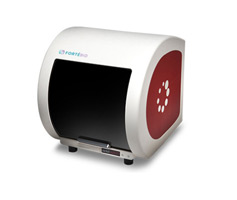
Biacore 8K
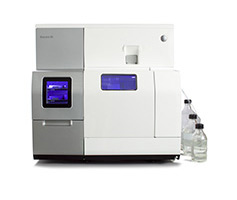
ForteBio Octet 96e
| Feature | Advantage | Benefit |
|---|---|---|
| 5-day turnaround for ≤5 test pairs | Rapid project completion | Accelerate decision-making |
|
Free ACRO protein (Exclude transmembrane protein and nanodisc products) |
No additional reagent cost | Reduced total project costs and expenses |
| ISO/IEC 17025 accreditation | Meets international quality and traceability standards | Data accepted by regulatory agencies |
| Cytiva Biacore 8K | High-speed, high-accuracy measurements | Reliable kinetic profiles |
| FDA-recognized method | Regulatory compliance | Supports IND and BLA submissions |
| Lab in Delaware | Reduced shipping time | Time-saving service |

In December 2024,ACROBiosystems’ US Innovation Lab has achieved ISO/IEC 17025 accreditation for Surface Plasmon Resonance (SPR) analytical service, ensuring that results from this service is globally recognized and trusted for its precision and consistency.
Anti-Idiotypic Antibody Development Service
BsAbs can simultaneously recognize two distinct targets, and their molecular architecture, tissue distribution, and clearance pathways often differ substantially from those of conventional monoclonal antibodies. The structural complexity of bispecific formats makes their in-vivo behavior difficult to predict. Variations in molecular designs—such as IgG-like formats, BiTEs, and CrossMabs—can lead to pronounced differences in half-life and clearance mechanisms. In addition, unequal affinities of the two binding arms may result in target-mediated, arm-dependent clearance. Therefore, comprehensive pharmacokinetic studies are essential to define a BsAb’s in-vivo exposure, metabolism, and elimination characteristics, thereby providing a scientific foundation for dose selection and dosing frequency.
To meet the complex development needs of BsAb programs, we offer end-to-end services ranging from antigen preparation to the development of monoclonal and polyclonal anti-idiotypic antibodies, as well as pharmacokinetics and immunogenicity assay kits.

Block antigen-antibody binding
Detection of free antibody drugs
Detection of neutralizing antibodies

Not block antigen-antibody binding
Detection of total antibody drugs (free, semi-bound, bound)

Not block antigen- antibody binding
Specific detection of bound antibody drugs
Immunogenicity Assay Kits Customized Service
Immunogenicity: according to regulatory guidance, drug immunogenicity is defined as the ability of a drug and/or its metabolites to elicit immune responses or immune-related events against the drug itself or associated proteins. Immunogenicity can have wide-ranging consequences. Unintended immune responses may neutralize the drug’s biological activity, trigger cross-reactivity with endogenous proteins, or induce adverse events such as allergic reactions or cytokine release syndrome. Clinically, the impact of immunogenicity varies: it may have no apparent effect on some patients, while in others it can significantly alter the drug’s pharmacokinetics, pharmacodynamics, safety, and efficacy.
ACROBiosystems provides customized services for immunogenicity assay kits tailored to your project needs!
| Project | Period | Delivery |
|---|---|---|
|
Immunogenicity Assay Kits Customized Service |
2-3 weeks |
Method Validation Report、User Manual、COA、ELISA Kit |
Drug Concentration (PK) Assay Kits Customized Service
Because blood serves as the primary medium for the absorption, distribution, metabolism, and excretion of drugs and their metabolites, the concentration of a drug in various tissues and body fluids is generally correlated with its blood concentration. As a result, changes in blood drug levels are highly representative and blood is the most commonly used sample matrix. To support preclinical and clinical pharmacokinetic studies of antibody drugs, it is crucial to design a precise and reliable analytical method for quantifying drug concentrations in blood.
ACROBiosystems provides drug concentration (PK) assay kits customized service tailored to your program needs.
| Project | Period | Delivery |
|---|---|---|
|
Drug Concentration (PK) Assay Kits |
5-7 weeks |
Method Validation Report、User Manual、COA、ELISA Kit |
Bioanalytical Method Development Service (ELISA Platform)
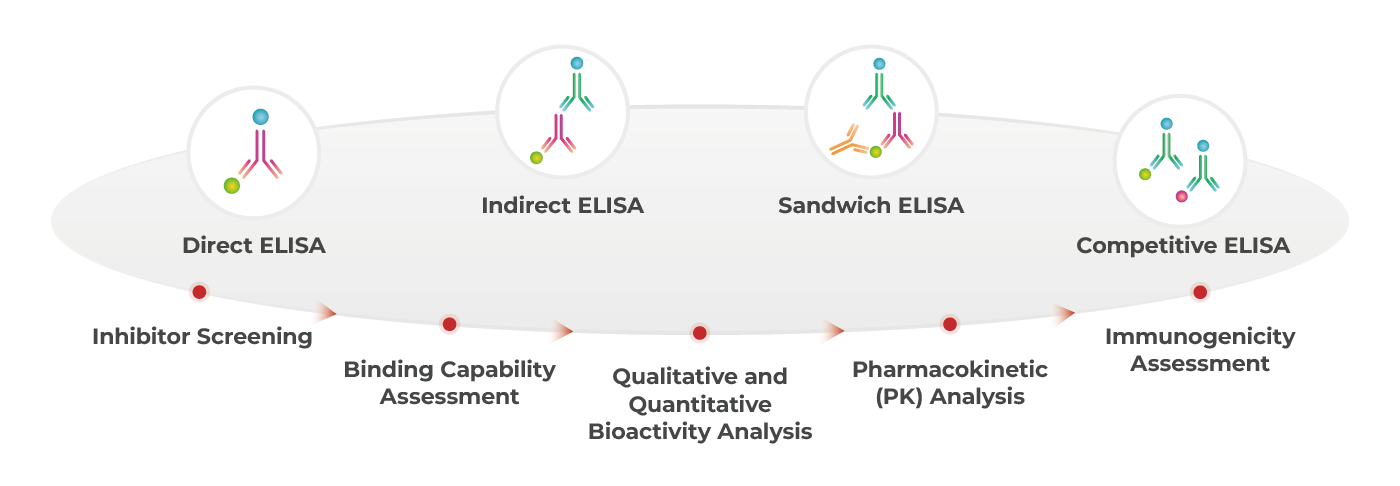
During the development of bispecific antibodies, ELISA serves as a core analytical method for assessing drug activity, affinity, and in-vivo/in-vitro exposure levels. ACROBiosystems has a dedicated product R&D team and technical service team, and—supported by our extensive internal portfolio of proteins and antibodies—we have accumulated substantial experience and experimental data in analytical method development across multiple bioanalytical platforms.
We design scientifically robust study plans, develop efficient and reliable assay methods, and conduct comprehensive and accurate method validation tailored to specific project needs. We provide both ELISA testing services and custom ELISA kit development services for biopharmaceutical R&D customers.
- SPR/BLI Affinity Analysis Services
- Anti-Idiotypic Antibody Development Service
- Immunogenicity Assay Kits Customized Service
- Drug Concentration (PK) Assay Kits Customized Service
- Bioanalytical Method Development Service (ELISA Platform)
SPR/BLI Affinity Analysis Services
The development of BsAb relies on precise characterization of molecular interactions. Leveraging the Biacore and ForteBio Octet platforms, ACROBiosystems provides comprehensive molecular interaction analysis services for biopharmaceutical R&D, enabling bispecific antibody screening, functional assessment, and comparability evaluation.
Biacore 8K
ForteBio Octet 96e
| Feature | Advantage | Benefit |
|---|---|---|
| 5-day turnaround for ≤5 test pairs | Rapid project completion | Accelerate decision-making |
|
Free ACRO protein (Exclude transmembrane protein and nanodisc products) |
No additional reagent cost | Reduced total project costs and expenses |
| ISO/IEC 17025 accreditation | Meets international quality and traceability standards | Data accepted by regulatory agencies |
| Cytiva Biacore 8K | High-speed, high-accuracy measurements | Reliable kinetic profiles |
| FDA-recognized method | Regulatory compliance | Supports IND and BLA submissions |
| Lab in Delaware | Reduced shipping time | Time-saving service |
In December 2024,ACROBiosystems’ US Innovation Lab has achieved ISO/IEC 17025 accreditation for Surface Plasmon Resonance (SPR) analytical service, ensuring that results from this service is globally recognized and trusted for its precision and consistency.
Bioactivity Analysis of BsAbs
-

- Immobilized Human CD20 Full Length Protein, His Tag (Cat. No. CD0-H52H3 ) at 2 μg/mL, add increasing concentrations of Glofitamab and then add HRP-Human CD3E & CD3D Heterodimer Protein, His Tag&Tag Free (Cat. No. CDD-HR2W3 ) at 1 μg/mL, with sensitivity of 40.30 ng/mL (Routinely tested).
-
Request Protocol
-

- Bispecific antibody (BsAb-IgG) binding with Fc gamma Receptor
| Ligand | Analyte | KD(M) |
| FcRn (FCGRT & B2M) (Cat. No. FCN-H52W7) | BsAb-lgG | 1.07E-06 |
| Fc gamma RIIIA / CD16a (V176) (Cat. No. CD8-H52H4) | 1.54E-06 | |
| Fc gamma RIIIA / CD16a (F176) (Cat. No. CDA-H5220) | 5.23E-06 | |
| Fc gamma RIIIA / CD32a (R176) (Cat. No.CDA-H5221) | 4.50E-06 | |
| Fc gamma RIIIA / CD32a (H167) (Cat. No.CD1-H5223) | 2.43E-06 | |
| Fc gamma RI / CD64 (Cat. No.FCA-H52H1) | 5.50E-09 |
-
Contact to a scientist
-

- Immobilized Human OX40 Protein, His Tag (MALS verified) (Cat. No. OX0-H5224) at 2 μg/mL, add increasing concentrations of CTLA-4 x OX40 bispecific antibody in 50% Human serum and then add Biotinylated Human CTLA-4, Fc,Avitag (Cat. No. CT4-H82F3) at 0.2 μg/mL. Detection was performed using HRP-conjugated streptavidin with sensitivity of 4 ng/mL (Intact assay)
-
Request Protocol
- Methodology validation
-

Click to learn more about SPR /BLI analytical service
- Bispecific antibody targets and services
- Recombinant Proteins
- Other Products
- Professional Analysis Services
- Bioactivity Analysis of BsAbs



Online Message
[North America]: 1 Innovation Way, Newark, DE 19711, USA [Switzerland]: ACRObiosystems AG, c/o Zug Dammstrasse Centre AG, Dammstrasse 19, 6300 Zug Switzerland
Email:order@acrobiosystems.com
Copyright © 2025 ACROBiosystems. All Rights Reserved