



 Aug 6, 2026
 Page Views:415


If your team is advancing in programs of bispecific antibodies (BsAbs), T cell engagers (TCEs), oral small-molecule therapies, or nucleic acid therapeutics (RNAi/ASO), you have already competed at the forefront of innovation in the Autoimmune Disease 3.0 era.
But one question deserves deeper consideration: Which biomarkers are determining the success of your programs? As the industry moves from target discovery to mechanism validation, the key determinants of drug development success are shifting:
- Precisely quantify target engagement and occupancy to directly evaluate drug binding efficacy;
- Monitor dynamic changes in pharmacodynamic biomarkers to objectively assess pathway inhibition and biological response;
- Enable biomarker-driven patient stratification to identify populations with the greatest potential clinical benefit;
- Leverage baseline biomarker levels and longitudinal changes to predict disease recurrence risk at an earlier stage.
Extensive clinical translational studies have demonstrated that the long-term success of an autoimmune therapeutic depends not only on the drug molecule itself, but also on a high-quality, reproducible, and standardized biomarker assay solution—a critical foundation for improving R&D efficiency and accelerating clinical success.
Autoimmune Disease 3.0: Four Emerging Therapeutic Frontiers Driving Next-Generation Innovation
Bispecific & Polyclonal Antibody: From Single-Target Inhibition to Multi-Pathway Immune Modulation
Traditional monoclonal antibodies typically focus on a single immune target, resembling a "one-on-one defensive strategy." In contrast, bispecific and polyclonal antibodies aim to simultaneously modulate two or more immune pathways, representing a more sophisticated "team defense" approach. Today, next-generation pipelines such as IL-13/TSLP bispecific antibodies and TL1A/IL-23 bispecific antibodies have emerged as major areas of innovation in autoimmune drug development. As therapeutic applications expand beyond atopic dermatitis into complex diseases including inflammatory bowel disease (IBD) and lupus nephritis (LN), bispecific antibodies are becoming a key growth driver in the Autoimmune Disease 3.0 era.
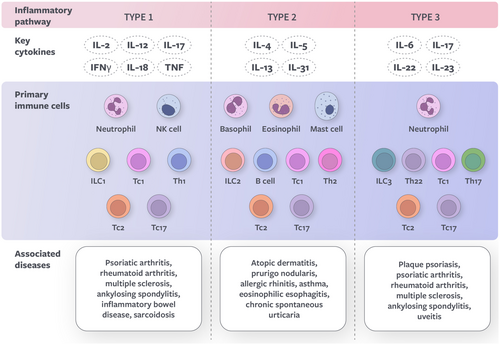
Source: https://doi.org/10.1111/ijd.17707
Figure 1. Overview of types 1, 2, and 3 immune responses
But here comes the critical question: when multiple targets are being simultaneously blocked, what should be measured? Monitoring a single target alone often fails to fully capture the therapeutic effect. Researchers increasingly need to establish a comprehensive inflammatory network monitoring strategy to evaluate mechanism of action and biological response. Within a biomarker assessment panel, IL-4, IL-5, IL-13, and IL-31 collectively represent the key components of the Type 2 inflammatory axis; IL-12 and IFN-γ cover the Type 1 immune pathway; while IL-17A and IL-22 capture the Type 3 inflammatory pathway. This integrated biomarker panel serves as a critical tool for evaluating whether multi-target immune modulation achieves the desired synergistic therapeutic effect.
Table 1. Human TL1A Levels Measured in Healthy Donor Serum Using the Human TL1A ELISA Kit (Cat. No. CEA-C090)

TL1A concentrations were measured in thirty serum samples, which were collected from healthy human subjects. The measurements of thirty samples are shown in the table.
T cell engagers (TCEs): From Immune Blockade to Immune Reset
TCEs represent a breakthrough of bispecific therapeutics in autoimmune disease. By simultaneously engaging CD3⁺ T cells through one binding arm and recognizing disease-driving B cell surface antigens (such as CD19, BCMA, and CD20) through the other, TCEs bridge T cells with pathogenic B cells to enable targeted depletion. This approach has the potential to eliminate the source of inflammation, offering a more disease-modifying strategy compared with traditional therapies that primarily block downstream inflammatory pathways.

A 2025 study published in the New England Journal of Medicine reported that Johnson & Johnson's CD3/BCMA bispecific antibody Teclistamab was evaluated in 10 patients with six different refractory autoimmune diseases. After one month of treatment, most patients demonstrated substantial clinical improvement, with a median response duration exceeding six months, highlighting the potential of BCMA-targeted TCEs for cross-disease applications in autoimmune disorders. B cell–targeting TCEs are becoming a key technology platform expanding beyond oncology into autoimmune disease applications. The core of clinical efficacy evaluation lies in demonstrating successful immune remodeling:
- CD19⁺ B cell and BCMA⁺ plasma cell levels serve as critical pharmacodynamic (PD) biomarkers for assessing target cell depletion and therapeutic response;
- Inflammatory mediators such as IL-12/IL-23 p40, IL-17A, and TL1A enable long-term monitoring of inflammatory resolution and immune reprogramming status, providing important insights for evaluating sustained remission and predicting relapse risk.
Table 2. Human BCMA Levels Measured in Healthy Donor Serum Using the Human BCMA ELISA Kit(Cat. No. CEA-B045)

BCMA concentrations were measured in thirty serum samples, which were collected from healthy human subjects. The measurements of thirty samples are shown in the table.
Table 3. Recovery Evaluation of BCMA in Human Serum Using the Human BCMA ELISA Kit (Cat. No. CEA-B045)
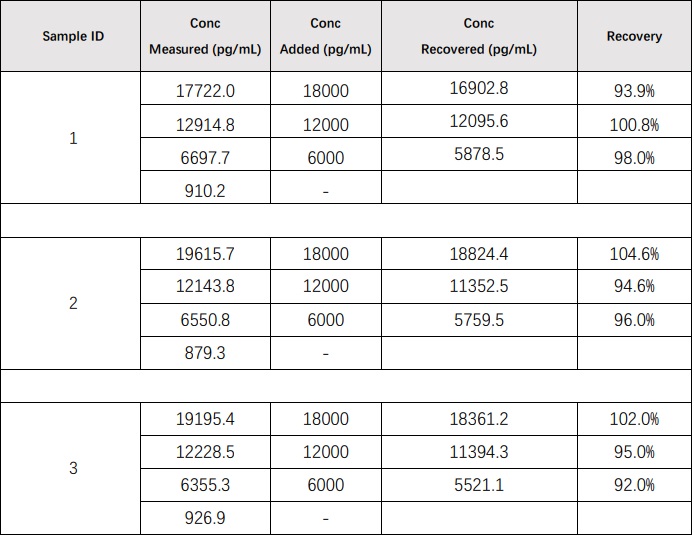
Recombinant BCMA was spiked into three human serum samples, and then analyzed. The average recovery of BCMA for serum samples is 97.4%.
Oral Small Molecules: Redefining the Era of Lifelong Injectable Therapies
For patients with chronic autoimmune diseases, therapeutic efficacy is only one part of the challenge—long-term treatment adherence is equally critical. The emergence of oral small-molecule therapies is reshaping this landscape. A growing number of innovative modalities, including TYK2 inhibitors, BTK inhibitors, and targeted protein degraders, are rapidly advancing in autoimmune drug development. However, increasing evidence suggests that even when patients achieve significant clinical improvement, certain inflammatory pathways may remain active.
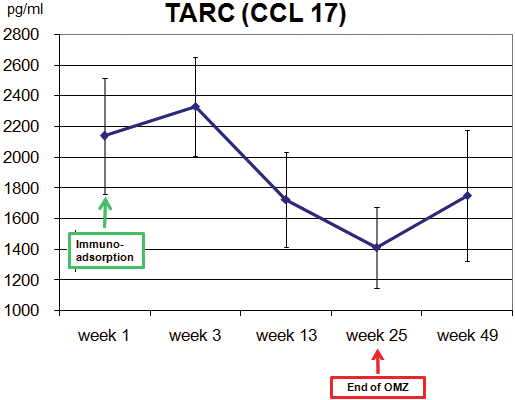
Source: https://doi.org/10.2340/00015555-2165
Figure 2. TARC/CCL17 levels in 10 patients with dermatitis before immunoadsorption (Week 1), during immunoadsorption (Weeks 3 and 13), and at the end of treatment (Week 25)
This highlights an important distinction: clinical remission does not always equate to immunological remission. For example, in atopic dermatitis studies, some patients continue to exhibit elevated levels of TARC/CCL17 despite clinical improvement following treatment. The persistent abnormal elevation of TARC underscores the value of multidimensional biomarker profiling—clinical scores or single biomarkers alone may not fully reflect the underlying disease state, just as a single score cannot determine a team's overall performance. These findings suggest that some patients may remain in a state of low-grade inflammatory activity, emphasizing the need for comprehensive biomarker monitoring to accurately assess treatment response and disease control.
Table 4. Human TARC/CCL17 Levels Measured in Healthy Donor Serum Using the Human TARC/CCL17 ELISA Kit (Cat. No. CEA-C029)

TARC/CCL17 concentrations were measured in thirty-two human serum samples, which were collected from healthy human subjects. The measurements of thirty-two samples are in the range of 1000-4000pg/mL and shown in the figure below.
Nucleic Acid Therapeutics: Precision Control at the Genetic Level
Compared with antibody therapeutics that act at the protein level, nucleic acid therapeutics such as RNA interference (RNAi) and antisense oligonucleotides (ASOs) can directly regulate mRNA expression, enabling intervention at the genetic level and potentially delivering more durable therapeutic effects. Many candidates offer extended dosing intervals, ranging from once every three months to once every six months. As therapeutic development continues to expand into key pathways including complement activation, inflammation, and fibrosis, nucleic acid therapeutics are emerging as a major growth engine in the Autoimmune Disease 3.0 era.
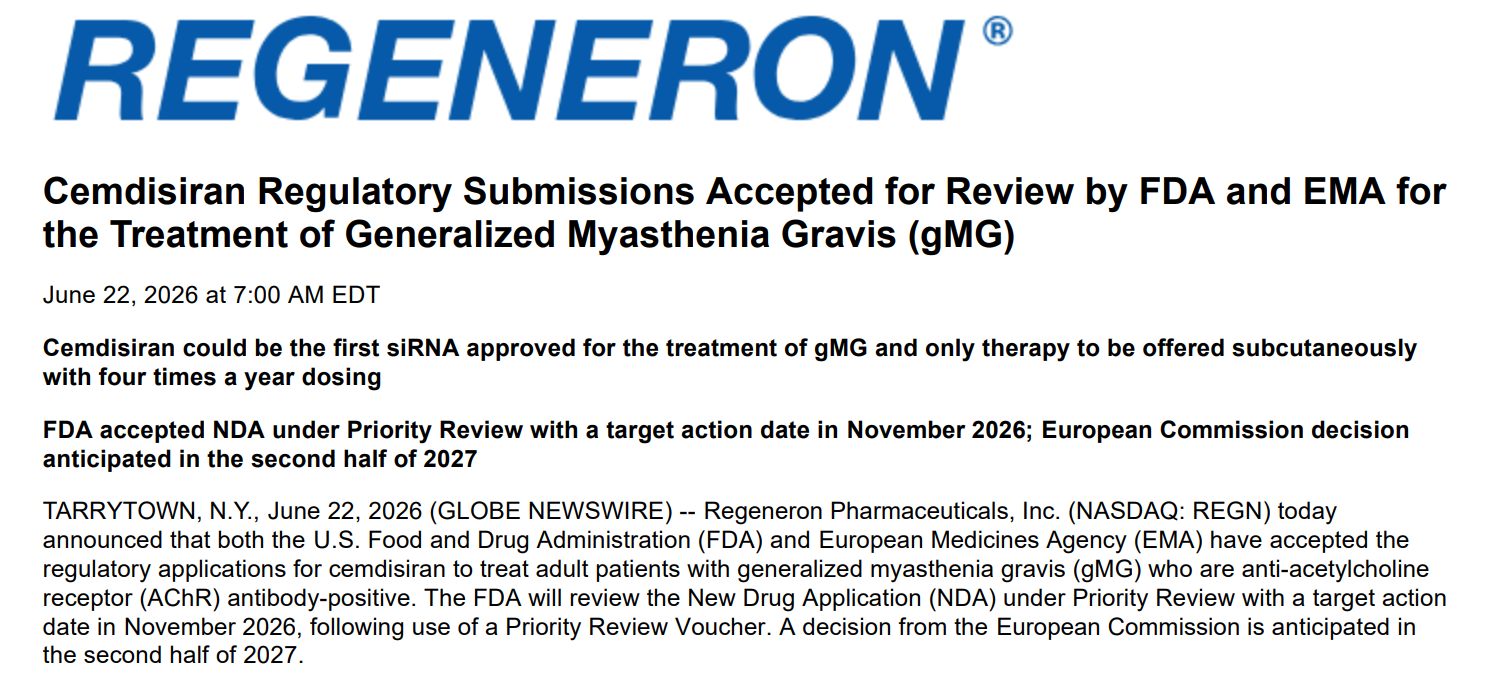
On June 22, Regeneron announced that the FDA had accepted the New Drug Application (NDA) for Cemdisiran, a C5-targeting siRNA therapy for the treatment of generalized myasthenia gravis (gMG), and granted Priority Review designation. If approved, Cemdisiran would become the first neuroimmunology siRNA therapy administered by subcutaneous injection every 12 weeks. The long-lasting effects of these therapies also raise the bar for biomarker evaluation. Across the entire development process—including sustained target gene knockdown assessment, patient selection, and pharmacodynamic evaluation—precise biomarker measurement is essential. Establishing a comprehensive biomarker evaluation framework is critical for accurately determining the true therapeutic impact of nucleic acid medicines.
Table 5. Human Complement C5 Levels Measured in Healthy Donor Serum Using the Human Complement C5 ELISA Kit (Cat. No. CEA-B241)

Complement C5 concentrations were measured in twenty-four human serum samples, which were collected from healthy human subjects. The measurements of twenty-four samples are shown in the table.
Autoimmune Disease 3.0: Accelerate Innovation with Reliable Biomarker Solutions
Success in the Autoimmune Disease 3.0 era requires more than breakthrough therapeutic modalities—it depends on a comprehensive and integrated development strategy. As innovative approaches continue to diversify, the maturity of biomarker assay platforms is becoming a critical factor in driving R&D efficiency and determining clinical success.

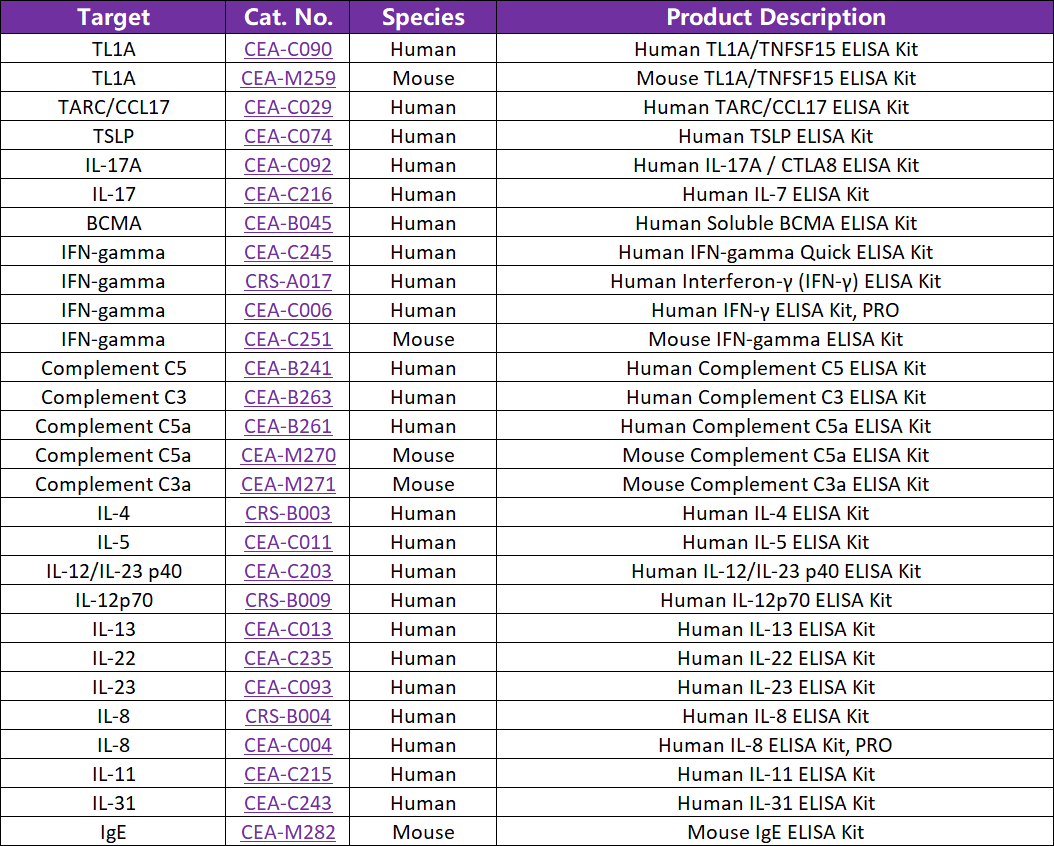
To accelerate autoimmune drug development, ACROBiosystems offers a broad portfolio of ready-to-use Biomarker ELISA Kits. These kits have been extensively validated using real biological samples, delivering the accuracy, specificity, sensitivity, precision, and high batch-to-batch consistency required for reliable biomarker analysis across drug discovery, translational research, and clinical development programs.
Product List
FAQ
Q1: What are autoimmune disease biomarkers?
A: Autoimmune disease biomarkers are measurable biological indicators used to evaluate disease mechanisms, immune activity, treatment response, and therapeutic outcomes. In drug development, biomarkers help researchers assess target engagement, pharmacodynamic effects, patient stratification, and disease progression.
Q2: Why are biomarkers important in autoimmune drug development?
A: Biomarkers are essential in autoimmune drug development because they provide objective measurements of biological responses beyond clinical symptoms alone. They help researchers confirm drug-target interactions, monitor pathway inhibition, identify patients most likely to benefit, and predict treatment response or disease recurrence.
Q3: Which biomarkers are commonly evaluated in autoimmune disease research?
A: Common autoimmune biomarkers include inflammatory cytokines, immune cell populations, disease-associated proteins, and pathway-specific indicators. Examples include IL-4, IL-5, IL-13, IL-31, IL-12, IFN-γ, IL-17A, IL-22, TL1A, BCMA, CD19-positive B cells, and complement C5, depending on the therapeutic mechanism and disease indication.
Q4: How do biomarkers support precision medicine in autoimmune therapies?
A: Biomarkers enable precision medicine by connecting biological characteristics with therapeutic decisions. They can help identify suitable patient populations, measure treatment activity, monitor immune remodeling, and evaluate whether molecular changes translate into clinical benefits. For example, B-cell depletion markers such as CD19-positive B cells and BCMA-positive plasma cells can support pharmacodynamic evaluation of T-cell engager therapies.
Q5: What biomarker technologies are used in autoimmune drug development?
A: Common biomarker technologies include ELISA-based immunoassays, flow cytometry, molecular assays, and multiplex platforms. These analytical approaches support measurement of cytokines, soluble proteins, immune cell markers, and pharmacodynamic indicators throughout discovery, translational research, and clinical development.
Reference
1. Chovatiya R, Hawkes J E, DiRuggiero D, et al. Type 2 inflammation and its role in dermatologic diseases[J]. International Journal of Dermatology, 2025, 64(6): 978-991. https://doi.org/10.1111/ijd.17707
2. Bucci L, Böltz S, Hagen M, et al. BCMA T-cell engager therapy in patients with refractory autoimmune disease[J]. New England Journal of Medicine, 2025, 393(15): 1544-1547. https://doi.org/10.1056/NEJMc2506740
3. Zink A, Gensbaur A, Zirbs M, et al. Targeting IgE in severe atopic dermatitis with a combination of immunoadsorption and omalizumab[J]. Acta Dermato-Venereologica, 2015, 96(1): 72-76. https://doi.org/10.2340/00015555-2165