Complete ADC Conjugation in 3 Hours! Redefining Conjugation Speed and Precision
 Date de publication :2025-12-16
 Nombre de vues :947

Introduction
Antibody-Drug Conjugates (ADCs) represent a significant class of targeted therapeutics, particularly in cancer treatment. These complex biomolecules are engineered to selectively deliver therapeutic agents to target cells by linking them to monoclonal antibodies. The effectiveness and safety profile of an ADC are critically influenced by the selection of its components—the antibody, the linker, and the therapeutic agent—and, importantly, the chemical method used for their conjugation.
ADC development currently employs two main strategies for attaching therapeutic agents to antibodies: random (stochastic) conjugation and site-specific conjugation. The choice of method substantially impacts the resulting ADC's homogeneity, stability, pharmacokinetic (PK) properties, and overall therapeutic index. Random conjugation utilizes naturally occurring reactive residues on the antibody, significantly streamlining ADC preparation and reducing technical barriers. Its key features—native compatibility, rapid reaction kinetics, and controllable efficiency—closely align with the core demands of early-stage ADC development: multiple batches, fast iteration, and low cost. Random conjugation methods are widely adopted in commercial ADCs (e.g., Adcetris and Kadcyla) due to their robustness for manufacturing. These methods typically target naturally occurring amino acid residues:
• Lysine conjugation utilizes the epsilon-amine groups of lysine residues, which are abundant on the antibody surface. This approach forms amide bonds but leads to a heterogeneous mixture with variability in the Drug-to-Antibody Ratio (DAR) because there are many potential conjugation sites.
• Cysteine conjugation targets free thiol groups (-SH) produced by reducing the interchain disulfide bonds of the antibody. While offering more control over the DAR compared to lysine conjugation, conjugates formed using maleimide chemistry at these sites can be susceptible to deconjugation in plasma due to thiol exchange reactions with albumin, which can limit stability.
In contrast, site-specific conjugation strategies aim to produce a more homogeneous population of ADCs with a precise DAR and a defined attachment point. This approach is generally expected to lead to improved stability, more predictable PK profiles, and potentially a wider therapeutic window:
• Engineered Cysteine (THIOMABs): Genetic engineering is used to introduce specific cysteine mutations at carefully chosen sites on the antibody, enabling precise control over the number and location of conjugation points.
• Enzymatic Methods: Enzymes, such as microbial transglutaminase (mTGase), can recognize specific engineered peptide sequences on the antibody and catalyze conjugation at defined residues.
Non-Natural Amino Acid (nnAA) Incorporation: This advanced technique employs genetic code expansion to incorporate unique chemical handles (e.g., azides) into the antibody structure, which can then be used for highly efficient, bioorthogonal "click chemistry" conjugation.
Site-specific conjugation offers high homogeneity and reduced off-target toxicity, making it suitable for late-stage development and large-scale manufacturing. In contrast, non-site-specific conjugation emphasizes speed, flexibility, and broad applicability, addressing the need for efficiency and scenario adaptability in early-phase research.
Each of these diverse methodologies offers distinct advantages and is suited for different stages of ADC research and development. From initial high-throughput screening to later-stage clinical optimization, selecting the appropriate conjugation technology is a key factor for successful ADC design and development.
Optimized Cysteine Conjugation for Rapid Screening
To accelerate the research cycle within this evolving landscape, we are proud to introduce our ADC Conjugation Kit, which delivers a rapid, precise, and robust ADC preparation process. Based on interchain cysteine conjugation technology, this kit reduces antibody disulfide bonds to generate reactive cysteine residues for non-site-specific maleimide conjugation. This classic strategy enables rapid, controlled ADC preparation—requiring only 3h to obtain ADC conjugates with homogeneous DAR. The resulting conjugates demonstrate significant cytotoxicity, offering a robust tool for ADC screening and mechanistic studies.

Precise: Controlled DAR 4/8 with preserved antibody activity
Efficient: >95% conjugation, >80% recovery
Low Input: Compatible with ≥2 mg/mL antibodies
Simple: 15 min purification via spin column
2. Antibody reduction 37°C, 1h
3. Antibody conjugation 23°C, 1h
4. Reaction quenching RT, 0.5h
5. Purification and buffer change
Validation Data
The following ADC products were prepared using the ADC Conjugation Kit (MMAE, DAR4, 200μg, for human IgG1, Catalog No. ADC-P013).
Antibody resource: Trastuzumab biosimilar
✅ DAR and Purity Validation by HPLC (HIC + SEC)

Figure 1. The ADC was prepared using the ADC Conjugation Kit (MMAE, DAR4) and analyzed by HIC and SEC-HPLC. The average drug-antibody ratio (DAR) is 4.0±0.5, and the purity of the ADC is greater than 95%.
✅ In Vitro Cytotoxicity Validation

Figure 2. In vitro cytotoxicity assays: The ADC can bind and internalize in target cells (SK-BR-3) with high expression of Her2 and release MMAE inside the cells to induce a cytotoxic effect (IC50=0.0058 µg/mL). Meanwhile, no cytotoxicity was observed in Her2 receptor-negative cell lines (MDA-MB-231).
Click to view more validation data>> More Product Recommendation:AGLink® Site-specific conjugation kit

 Articles populairesRecommandations associéesActivités populaires
382-240.jpg) B7-H3 (CD276): Clinical Progress and Emerging Therapeutic Strategies in Solid Tumors2026-05-26Nombre de vues :25
B7-H3 (CD276): Clinical Progress and Emerging Therapeutic Strategies in Solid Tumors2026-05-26Nombre de vues :25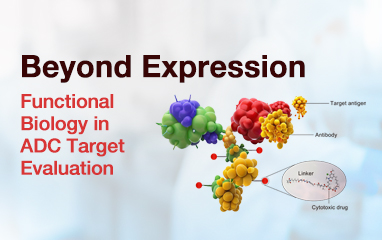 Beyond Expression: Functional Biology in ADC Target Evaluation2026-05-26Nombre de vues :24
 Navigating the Complex Landscape of ADC Quality Control: From Critical Quality Attributes (CQAs) to Clinical Success2026-03-19Nombre de vues :1249
 Core Reagent for ADC Internalization Assay:Unveiling the Cellular Internalization Process via pH-Sensitive Dye Detection2025-09-02Nombre de vues :4885
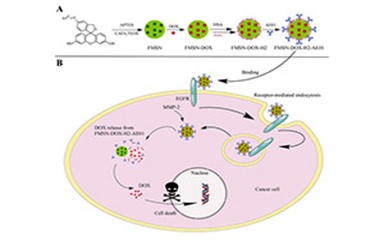 Proteases for Screening and Validation of ADC Linker2025-03-04Nombre de vues :10725


 Produits associés