Why CAR-T Works in Blood Cancers but Struggles in Solid Tumors
 Publication Date:2026-05-27
 Page Views:12

1. Introduction to CAR Therapy and Its Clinical Success in Blood Cancers
(1) CAR-T Mechanism of Action in Hematologic Malignancies
Chimeric Antigen Receptor T-cell (CAR-T) therapy is an innovative cell therapy strategy that integrates genetic engineering with cellular immunoengineering. Its core principle is to genetically modify T cells ex vivo or in vivo to express synthetic chimeric antigen receptors, enabling the recognition and elimination of tumor cells in an MHC-independent manner.
A typical CAR molecule consists of four key structural domains:
- Extracellular antigen-binding domain: Usually derived from the single-chain variable fragment (scFv) of a monoclonal antibody, this domain is responsible for specific recognition of tumor-associated antigens and enables MHC-independent antigen targeting.
- Hinge region: Provides structural flexibility and appropriate spacing, allowing the scFv to effectively access target antigens across spatial barriers, while also influencing CAR signaling strength and immune synapse formation efficiency.
- Transmembrane domain: Anchors the CAR molecule to the T-cell membrane and contributes to receptor stability and the assembly of signaling complexes.
- Intracellular signaling domain: Typically composed of the CD3ζ chain, which provides the primary activation signal (signal 1), combined with co-stimulatory domains (such as CD28 or 4-1BB) that deliver signal 2, thereby enhancing T-cell proliferation, cytotoxic activity, and long-term persistence.

Figure 1. Four generations of CAR constructs. (doi:10.3389/fimmu.2022.927153)
In hematologic malignancies, upon antigen recognition, CAR signaling rapidly activates downstream pathways (including ZAP70, NFAT, NF-κB, and AP-1), leading to T-cell expansion and the release of effector molecules such as perforin, granzymes, IFN-γ, and TNF-α, ultimately resulting in targeted tumor cell elimination.
(2) Factors Contributing to High Response Rates
The strong clinical efficacy of CAR-T in hematologic malignancies is primarily driven by several biological advantages:
- Lineage-restricted expression: Targets such as CD19 and BCMA are largely confined to B-cell or plasma cell lineages, significantly reducing the risk of off-tumor toxicity.
- High cellular accessibility: Tumor cells are distributed in peripheral blood, bone marrow, and lymphoid tissues, allowing CAR-T cells to directly engage target cells in circulation without requiring penetration of dense tissue barriers.
- Antigen homogeneity: Antigen expression in hematologic malignancies is relatively uniform and typically above the activation threshold required for CAR signaling, facilitating efficient immune synapse formation and cytotoxic activation.
2. Biological and Microenvironmental Barriers in Solid Tumors

Figure 2. T cell TME infiltration and ligand-mediated exhaustion. (doi: 10.3389/fimmu.2019.00128.)
(1) Tumor Microenvironment and Immunosuppressive Factors
Unlike hematologic malignancies, solid tumors consist not only of malignant cells but also of a highly complex and dynamically evolving tumor microenvironment (TME), which functions as a profoundly immunosuppressive ecosystem that impairs CAR-T activity through multiple mechanisms:
- Enrichment of immunosuppressive cells: Including regulatory T cells (Tregs), myeloid-derived suppressor cells (MDSCs), and tumor-associated macrophages (TAMs), which inhibit T-cell function via suppressive cytokines or metabolic competition (e.g., arginine and tryptophan depletion).
- Immunosuppressive cytokines: Factors such as TGF-β and IL-10 suppress T-cell proliferation and induce effector T-cell dysfunction, while also promoting cancer-associated fibroblast (CAF) activation and extracellular matrix remodeling.
- Immune checkpoint activation: Tumor cells and components of the TME frequently express ligands such as PD-L1 and Galectin-9, which engage inhibitory receptors including PD-1 and TIM-3, driving T-cell exhaustion and reducing CAR-T persistence and cytotoxicity.
(2) Antigen Heterogeneity and Escape Mechanisms
- Solid tumors commonly exhibit pronounced antigen heterogeneity, meaning that antigen expression profiles and densities vary significantly across tumor cell populations within the same lesion.
- Antigen escape: Under CAR-T selective pressure, tumor cell subpopulations with low or absent antigen expression may be positively selected, leading to disease relapse.
- On-target/off-tumor toxicity challenges: Most solid tumor-associated antigens (e.g., HER2, MSLN, GPC3) are tumor-associated antigens (TAAs) that are also expressed at low levels in normal tissues, creating a critical challenge in balancing therapeutic efficacy and safety.
(3) Physical and Biological Barriers to CAR-T Infiltration
Solid tumors also impose multiple physical barriers that significantly limit T-cell infiltration:
- Dense extracellular matrix (ECM): Composed of collagen, fibronectin, and hyaluronic acid produced by cancer-associated fibroblasts (CAFs), with fibroblast activation protein (FAP) playing a key regulatory role. This dense matrix substantially restricts T-cell migration and penetration.
- Abnormal tumor vasculature and elevated interstitial fluid pressure: Disorganized and poorly permeable tumor vasculature, combined with increased interstitial pressure, severely limits CAR-T cell trafficking from the circulation into the tumor core, thereby impairing effective homing.
3. Strategies to Overcome Solid Tumor Limitations

Figure 3. Suppressive features of the TME and immunomodulatory strategies(doi:10.1016/j.medj.2026.101028)
(1) Multi-Target and Bispecific CAR-T Approaches
To address antigen heterogeneity, multi-target strategies have become a leading direction:
- Dual CAR: T cells are engineered to express two independent CARs, requiring simultaneous recognition of two antigens (e.g., HER2/MUC1) to trigger full activation (AND-gate logic), thereby improving specificity and reducing off-tumor toxicity.
- Tandem CAR (TanCAR): A single CAR construct containing tandem scFvs enables recognition of either antigen, triggering T-cell activation and reducing the risk of antigen escape.
(2) Modulating the Tumor Microenvironment
The “Armored CAR-T” strategy aims to enhance CAR-T-mediated remodeling of the TME:
- Cytokine engineering: Local secretion of cytokines such as IL-12, IL-15, or IL-18 enhances T-cell survival, proliferation, and recruitment of innate immune cells (NK cells and macrophages), facilitating the conversion of “cold tumors” into “hot tumors.”
- Extracellular matrix degradation: Expression of enzymes such as hyaluronidase or targeting of FAP reduces ECM density, thereby improving CAR-T infiltration efficiency.
(3) Combination Therapies and Novel Delivery Methods
- Immune checkpoint blockade combination: CAR-T therapy combined with PD-1/PD-L1 or CTLA-4 inhibitors, or genetic disruption of PD-1 via CRISPR/Cas9, can prolong T-cell functional persistence and reduce exhaustion.
- In vivo CAR-T engineering: Antibody-targeted lipid nanoparticles (Ab-LNPs) can deliver CAR mRNA directly in vivo, enabling in situ T-cell programming while reducing the need for ex vivo manufacturing and lymphodepletion.
- Oncolytic virus combination therapy: Oncolytic viruses selectively lyse tumor cells, releasing neoantigens and inflammatory signals that enhance CAR-T infiltration and amplify secondary immune activation.
4. Comprehensive Overview of CAR Targets for CAR-T Therapy Development

Reference
1. Zhang X, Zhu L, Zhang H, Chen S, Xiao Y. CAR-T Cell Therapy in Hematological Malignancies: Current Opportunities and Challenges. Front Immunol. 2022 Jun 10;13:927153. doi: 10.3389/fimmu.2022.927153.
2. Martinez M, Moon EK. CAR T Cells for Solid Tumors: New Strategies for Finding, Infiltrating, and Surviving in the Tumor Microenvironment. Front Immunol. 2019 Feb 5;10:128. doi: 10.3389/fimmu.2019.00128. PMID: 30804938; PMCID: PMC6370640.
3. Rosa R, Liu J, Lu C, Abou-El-Enein M, Murad JP, Priceman SJ. Current state of CAR-T cell therapies for solid tumors. Med. 2026;7(5):101028. doi:10.1016/j.medj.2026.101028
 Popular ArticlesRelated RecommendationsPopular Events
 Universal CAR Detection Solutions: Broad Compatibility, Higher Efficiency!2026-05-25Page Views:24
 Comprehensive Guide to CAR-T Targets in Solid and Hematologic Malignancies2026-05-21Page Views:157
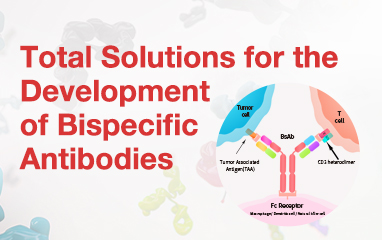 Bispecific Antibody Lanscape: Evolution, Breakthroughs, and Prospects2026-05-21Page Views:152
 CD19 as a CAR-T Target: Biology, Limitations, and Alternative Strategies2026-05-20Page Views:128
 Next-Generation Obesity Target Spotlight: Activin E for Fat Loss with Muscle Preservation2026-05-18Page Views:254





 Related Products