Alzheimer’s Disease Research: Why Do the “Main Characters” Keep Changing?
 Publication Date:2026-02-13
 Page Views:756

Alzheimer’s disease (AD) remains one of the most challenging disorders in neuroscience. Its complexity stems not only from its insidious onset and slow progression, but also from the intricate interplay of multiple pathological mechanisms. Over the past decades, different molecules and pathways have successively become research focal points. Yet this shift does not indicate inconsistency or abandonment of prior hypotheses. Rather, AD research is evolving—from the search for a single “core driver” toward a systemic understanding of how multiple pathological events interact across disease stages. The changing “main characters” reflect deepening scientific insight.
From Central Hypothesis to Pathological Cascade: Redefining the Role of Aβ
Amyloid-β (Aβ) was one of the first molecules systematically studied in AD. Extensive genetic, pathological, and imaging evidence consistently shows that Aβ deposition begins years before clinical symptoms, marking it as one of the earliest detectable pathological events in AD. This characteristic long positioned Aβ as a crucial starting point for understanding AD pathogenesis.
As our knowledge of the disease's natural history grows, the role of Aβ is increasingly viewed within a broader pathological cascade framework. Recent perspectives suggest Aβ likely participates in and amplifies disease progression by triggering or modulating downstream tau pathology, neuroinflammatory responses, and neuronal dysfunction. Nonetheless, within the emerging paradigm of multi-target, stage-specific therapeutic strategies, Aβ is still considered a foundational target with significant research and intervention value in the early pathological stages.

Source: SciNeuro official website
From Pathological Correlation to Propagation Mechanism: Tau as a Key Driver of Disease Progression
Compared to Aβ, tau pathology shows a more direct correlation with the degree of neuronal damage and cognitive decline. Numerous studies indicate that the spreading pattern of tau across brain regions closely aligns with the clinical stages of AD, making it a vital clue for understanding disease progression and symptom evolution. Simultaneously, the complexity of tau itself has become apparent. Different splice isoforms, numerous post-translational modifications, and diverse aggregation conformations contribute to significant heterogeneity in tau pathology. This complexity elevates tau from a passive consequence of Aβ to an active participant with amplifying and propagating effects during disease progression. Therapeutic strategies targeting tau, including antibodies and antisense oligonucleotides, are now in clinical trials, underscoring its critical position in AD research.

https://doi.org/10.1016/j.cell.2025.11.033
Evolution of AD therapeutic strategies based on the ATN biomarker framework
From Pathological Proteins to the Pathological Environment: Neuroinflammation Moves to the Center
As the research perspective expands from individual pathological proteins to the overall neural microenvironment, neuroinflammation has emerged as a crucial research dimension connecting Aβ and tau due to its presence throughout the disease course and its ability to regulate multiple pathological events. Research indicates that functional changes in microglia and astrocytes in response to pathological stimuli are closely linked to synaptic damage, disruption of neuronal homeostasis, and neurodegeneration. Genetic evidence strongly supports this view: several AD-risk genes (such as TREM2 and APOE) are highly expressed in glial cells, regulating their response to pathological proteins and their inflammatory pathways, further highlighting the essential role of neuroinflammation.

https://doi.org/10.1038/s41577-018-0051-1
APOE modulates microglial function via the TREM2 axis to influence AD progression
Conclusion
The shift in research focus from Aβ to tau, and then to neuroinflammation-related mechanisms, does not represent indecisiveness. Instead, it embodies a continuously deepening understanding of the stage-specific, multi-layered pathological features of AD. This cognitive shift is propelling AD research from a single-target mindset toward a more systematic and integrated framework.
Innovative Solutions from ACROBiosystems: Driving Progress in AD Research
As the brand focused on neuroscience of ACROBiosystems, Aneuro offers cutting-edge solutions, including target proteins , Pre-formed Fibrils (PFFs) , stable cell lines , and p-tau antibodies , to accelerate AD research and drug development.
Learn More About AD Related Molecules


References
1. Courade J P, Zetterberg H, Höglinger G U, et al. The evolving landscape of Alzheimer’s disease therapy: From Aβ to tau[J]. Cell, 2025, 188(26): 7337-7354. https://doi.org/10.1016/j.cell.2025.11.033
2. Shi Y, Holtzman D M. Interplay between innate immunity and Alzheimer disease: APOE and TREM2 in the spotlight[J]. Nature Reviews Immunology, 2018, 18(12): 759-772. https://doi.org/10.1038/s41577-018-0051-1
 Popular ArticlesRelated RecommendationsPopular Events
 Why CAR-T Works in Blood Cancers but Struggles in Solid Tumors2026-05-27Page Views:13
 Universal CAR Detection Solutions: Broad Compatibility, Higher Efficiency!2026-05-25Page Views:26
 Comprehensive Guide to CAR-T Targets in Solid and Hematologic Malignancies2026-05-21Page Views:157
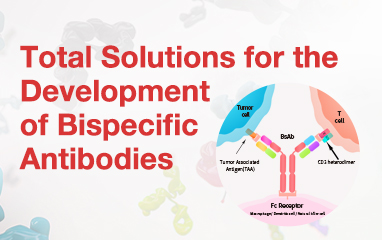 Bispecific Antibody Lanscape: Evolution, Breakthroughs, and Prospects2026-05-21Page Views:153
 CD19 as a CAR-T Target: Biology, Limitations, and Alternative Strategies2026-05-20Page Views:128





 Related Products