VEGF: Driving Innovation in Oncology, Ophthalmology, and Regeneration
 Publication Date:2026-01-19
 Page Views:773

With rapid advances in biopharmaceuticals, vascular endothelial growth factor (VEGF) has emerged as a pivotal target across a wide range of disease pathways, driving the evolution of modern therapeutic strategies. Under physiological conditions, VEGF maintains vascular homeostasis by regulating angiogenesis and tissue repair. When dysregulated, however, it becomes a key driver of pathology—promoting tumor angiogenesis and progression in cancer, and fueling choroidal neovascularization and vision loss in ocular diseases. Targeting the VEGF signaling pathway has already delivered transformative clinical benefits in oncology and ophthalmology, while its growing relevance in tissue regeneration and aging-related disorders is opening new frontiers for research and therapy.
A New Paradigm in Cancer Therapy: PD-1/VEGF Combinations Push the Boundaries of Oncology
The tumor microenvironment (TME) plays a central role in cancer progression and metastasis, with the VEGF signaling pathway serving as a key regulator of both tumor angiogenesis and immune evasion. By driving aberrant vascularization and epithelial–mesenchymal transition (EMT), VEGF fuels tumor growth, immunosuppression, and metastatic spread [1], making it a critical and highly validated therapeutic target.

https://doi.org/10.1016/j.biopha.2025.118023
VEGF signaling regulates tumor invasion, migration, and metastasis through complex interactions within the tumor microenvironment
In recent years, the development of PD-1/VEGF bispecific antibodies has taken cancer immunotherapy to a new level. Conventional PD-1 inhibitors unleash antitumor immunity by relieving immune checkpoints, yet their efficacy is limited in a subset of patients due to the profoundly immunosuppressive TME. Beyond driving angiogenesis, VEGF also suppresses immune cell function through multiple mechanisms, reinforcing the “immune-desert” phenotype of tumors. By simultaneously blocking the VEGF and PD-1 pathways, PD-1/VEGF bispecific antibody deliver a dual mode of action—anti-angiogenesis plus immune activation. This approach not only cuts off the tumor’s vascular and nutrient supply but also reinvigorates antitumor immune responses, resulting in synergistic efficacy and the potential to expand the population of patients who benefit from immunotherapy [2].

https://doi.org/10.3892/ol.2022.13530
Anti-VEGF and anti-PD-1/PD-L1 treatment: Mechanism of action
Currently, PD-1/VEGF bispecific antibodies have emerged as a major R&D focus. For example, the first-in-class PD-1/VEGF bispecific to gain global approval has demonstrated significant overall survival benefits in Phase III studies of lung cancer patients. At the same time, combining PD-1/VEGF bispecific antibody with antibody–drug conjugates (ADCs) have become a cutting-edge strategy, with companies such as Pfizer, Innovent, and Akeso advancing “bispecific + ADC” programs to drive more precise and effective combination therapies. As research continues to progress, PD-1/VEGF bispecific antibody and their combination regimens hold promise to further enhance clinical outcomes and reshape the landscape of cancer treatment.
From VEGF Overexpression to Vision Loss: Metabolic Pathways and Anti-VEGF Intervention
Vision loss in retinal diseases such as diabetic retinopathy is tightly linked to pathological overexpression of VEGF. Chronic hyperglycemia drives excessive VEGF production in retinal tissues, triggering aberrant neovascularization that ultimately leads to irreversible visual impairment. At the metabolic level, glycolysis and the pentose phosphate pathway (PPP) normally work together to maintain endothelial energy balance and redox homeostasis. Under hyperglycemic conditions, however, aberrant pathways such as the polyol and methylglyoxal pathways are activated, promoting oxidative stress. Studies have shown that VEGF stimulates glucose-6-phosphate dehydrogenase, enhancing PPP flux and increasing NADPH generation. One key mechanism of anti-VEGF therapy is inhibition of this process, thereby reducing NADPH production. NADPH depletion weakens cellular antioxidant defenses, leading to glutathione loss and reactive oxygen species accumulation, which in turn impairs endothelial cell function [3].

https://doi.org/10.1167/iovs.64.5.28
Endothelial cell glycolysis and three glycolytic side pathways potentially influenced by anti-VEGF therapy
Before anti-VEGF agents became available, treatment options for these retinal disorders were limited and often delivered suboptimal outcomes. Anti-VEGF therapy precisely neutralizes pathological VEGF signaling, effectively suppressing abnormal neovascularization, reducing retinal edema and vascular leakage, and slowing disease progression. It is now the standard first-line therapy for diabetic retinopathy, neovascular (wet) age-related macular degeneration, and other retinal vascular diseases, markedly improving visual outcomes for patients. Approved ophthalmic anti-VEGF drugs include Novartis’ ranibizumab and brolucizumab, Regeneron’s aflibercept, Kanghong’s conbercept, and Roche’s faricimab. With multiple new entrants advancing into the field, competition in anti-VEGF therapies for retinal diseases is rapidly intensifying.
A New Paradigm in Skin Repair: VEGF/EGF Synergy Unlocks Tissue Regeneration
The skin, the largest organ of the human body, plays a critical role in maintaining homeostasis and defending against external injury. Although it possesses intrinsic regenerative capacity, extensive or complex wounds often require external intervention. Following injury, local hypoxia triggers VEGF activation, which promotes endothelial cell proliferation and migration, drives new blood vessel formation, and facilitates their maturation through pericyte coverage, restoring oxygen and nutrient supply to the healing tissue. Another key factor, epidermal growth factor (EGF), governs epidermal reconstruction. Under normal conditions, EGF maintains regular epidermal turnover; after injury, its levels rise 10–15 fold, activating signaling pathways that suppress apoptosis and enhance keratinocyte proliferation and differentiation, accelerating skin barrier restoration. Together, VEGF and EGF synergistically drive skin repair through angiogenesis and epidermal regeneration.

https://doi.org/10.1126/sciadv.adz5302
Schematic illustration of a bioactive nanofiber scaffold combined with NIR irradiation for accelerated skin wound healing
Zhang et al. developed a bioactive scaffold with regulatory functions. The scaffold is spatially loaded with distinct growth factors—VEGF and PDGF-BB in the peripheral region, and PDGF-BB with EGF in the central region—and employs near-infrared light irradiation combined with an adjustable photomask to achieve precise, stage-specific release of growth factors during wound healing. This design not only mimics the natural temporal sequence of skin regeneration but also integrates topological cues, tunable photothermal effects, and sustained biochemical signaling to create a biomimetic microenvironment that dynamically responds to the wound repair process [4].
New Directions in Anti-Aging Research: VEGF Regulates Vascular Homeostasis, Gene Therapy Explores Longevity Pathways
Although genetic and environmental factors influence the aging process, current research suggests that vascular aging may serve as a key upstream driver of multi-organ functional decline. Grunewald et al. noted that deterioration of the vascular system may precede and trigger widespread tissue dysfunction [5]. Meanwhile, Thompson et al. demonstrated that VEGF and the dopamine signaling pathway are central to maintaining vascular and neural health: VEGF primarily promotes angiogenesis and tissue repair, while dopamine not only regulates neural activity but also modulates vascular tone and may influence VEGF activity [6].

https://doi.org/10.3390/cells14151178
Changes in VEGF and dopamine biological activity across the human lifespan
Recently, Unlimited Bio, founded by Russian-Israeli scientist Ivan Morgunov, announced plans to conduct human trials at clinics in Honduras and Mexico, administering two gene therapies to healthy volunteers: one targeting VEGF to enhance muscle blood supply, and another targeting follistatin to promote muscle growth. The company claims that the combination of these therapies could not only improve athletic performance but may also have future applications in treating hair loss, erectile dysfunction, and potentially achieving “radical human lifespan extension.” Although this research is still in its early, highly experimental stage, it highlights how VEGF’s potential is expanding beyond disease treatment toward “enhancement” applications.
From revolutionary breakthroughs in cancer and ocular disease treatment, to precise regulation of tissue repair, and even to bold frontiers in anti-aging, the scientific significance and applications of VEGF continue to expand. VEGF has evolved from a critical disease target into a central key linking multiple physiological and pathological processes, opening new dimensions in therapy and health management. We have developed a comprehensive portfolio of VEGF family proteins covering various species, isoforms, and tags, supporting accelerated development of VEGF-targeted drugs and therapies.
Relevant Molecule Display

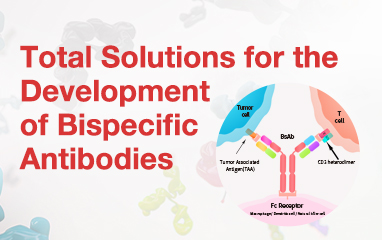
>>Total Solutions for the Development of Bispecific Antibodies

>>Cytokine Targets for Developing Therapeutics
References
1. Mahaki H, Nobari S, Tanzadehpanah H, et al. Targeting VEGF signaling for tumor microenvironment remodeling and metastasis inhibition: Therapeutic strategies and insights[J]. Biomedicine & Pharmacotherapy, 2025, 186: 118023. https://doi.org/10.1016/j.biopha.2025.118023
2. Gryziak M, Wozniak K, Kraj L, et al. The immune landscape of hepatocellular carcinoma-where we are?[J]. Oncology Letters, 2022, 24(5): 410. https://doi.org/10.3892/ol.2022.13530
3. Sharma D, Zachary I, Jia H. Mechanisms of acquired resistance to anti-VEGF therapy for neovascular eye diseases[J]. Investigative Ophthalmology & Visual Science, 2023, 64(5): 28-28. https://doi.org/10.1167/iovs.64.5.28
4. Zhang X, Gong B, Rao F, et al. Spatiotemporally controlled delivery of biological effectors from nanofiber scaffolds accelerates skin wound healing in porcine models[J]. Science Advances, 2025, 11(42): eadz5302. https://doi.org/10.1126/sciadv.adz5302
5. Grunewald M, Kumar S, Sharife H, et al. Counteracting age-related VEGF signaling insufficiency promotes healthy aging and extends life span[J]. Science, 2021, 373(6554): eabc8479. https://doi.org/10.1126/science.abc8479
6. Thompson M B, Tirupattur S P, Vishwakarma N, et al. Essential pieces of the puzzle: the roles of VEGF and dopamine in aging[J]. Cells, 2025, 14(15): 1178. https://doi.org/10.3390/cells14151178
 Popular ArticlesRelated RecommendationsPopular Events
 Why CAR-T Works in Blood Cancers but Struggles in Solid Tumors2026-05-27Page Views:15
 Universal CAR Detection Solutions: Broad Compatibility, Higher Efficiency!2026-05-25Page Views:31
 Comprehensive Guide to CAR-T Targets in Solid and Hematologic Malignancies2026-05-21Page Views:157
 Bispecific Antibody Lanscape: Evolution, Breakthroughs, and Prospects2026-05-21Page Views:155
 CD19 as a CAR-T Target: Biology, Limitations, and Alternative Strategies2026-05-20Page Views:128





 Related Products