Unlocking the Cathepsin Family: From Lysosomal Guardians to Precision Therapeutic Targets
 Publication Date:2026-01-26
 Page Views:718

For decades, the Cathepsin family was viewed primarily as the "waste disposal" unit of the cell. Residing within the acidic environment of lysosomes, these proteases were once thought to handle only routine protein degradation. However, modern biopharma research reveals a much more dynamic story: as core members of the papain-like superfamily, Cathepsins are essential regulators of cellular homeostasis, and their dysregulation is now recognized as a primary driver of cancer, bone disorders, and inflammatory diseases.
The Biochemical Foundation: Structure and Regulation
To understand the therapeutic potential of this family, one must first look at its molecular architecture. The human Cathepsin family comprises 15 members, categorized into cysteine, aspartic, and serine proteases. Structurally, these enzymes are synthesized with a specific signal peptide, a pro-peptide, and a catalytic domain, requiring complex post-translational modifications to reach maturity.
Their functional power is controlled by a sophisticated "pH-dependent switch." Most members are synthesized as inactive zymogens, where the pro-peptide acts as a shield to prevent premature digestion. Activation occurs only after they are transported to the acidic lysosome, where the low pH triggers the cleavage of this shield. Physiologically, they maintain lysosomal homeostasis, regulating protein quality control, autophagy, and inflammatory signaling. However, their expression is tightly modulated by factors such as oxidative stress, inflammatory cytokines (like TNF-α and IL-1β), and oncogenic pathways like PI3K/Akt. In pathological states, this control fails, leading to an abnormal "location shift" where Cathepsins leak into the extracellular matrix to drive disease progression.
Cathepsin L (CTSL): A Dual Target for Oncology and Muscle Health
Physiologically, Cathepsin L (CTSL) mediates protein metabolism, antigen processing, and tissue remodeling. However, its abnormal activation makes it a key driver of tumor metastasis and viral infections—most notably facilitating SARS-CoV-2 entry.
A groundbreaking study recently published in Nature Communications by teams from Yonsei University and Pusan University has redefined CTSL as a critical "dual target." While Immune Checkpoint Inhibitors (ICIs) like PD-L1 inhibitors (αPD-L1) have revolutionized cancer treatment, they are often hampered by muscle-specific immune-related adverse events. The research revealed that αPD-L1 therapy activates a specific population of CD49a⁺CD8⁺ tissue-resident memory-like (TRM-like) T cells, leading to muscle fiber damage. Crucially, CTSL was found to regulate the BNIP3 pathway, driving tumor metastasis while simultaneously inducing mitochondrial damage in muscles. By employing a CTSL inhibitor, researchers achieved a dual victory: enhancing the anti-tumor effect (reducing tumor size by 25%) while specifically blocking the muscle injury mediated by TRM-like T cells. This positions CTSL as a comprehensive solution for optimizing the safety and efficacy of immunotherapy.

Cathepsin B (CTSB): From Pancreatitis to Precision Therapy
Cathepsin B (CTSB) acts as a central regulator whose dysfunction is linked to major pathologies. Its deficiency contributes to lysosomal impairment and Amyloid-beta (Aβ) metabolic abnormalities in Alzheimer’s disease, while its hyperactivity drives tumor progression. For instance, in hepatocellular carcinoma, CTSB overexpression correlates directly with tumor invasion depth.
In the specific context of acute pancreatitis, CTSB drives pathology through three distinct mechanisms. First, it facilitates the abnormal fusion of lysosomes with zymogen granules, cleaving and activating trypsinogen into destructive trypsin. Second, it degrades Beclin-1, a key autophagy protein, thereby inhibiting cellular clearance mechanisms and exacerbating tissue injury. Third, it activates the NF-κB pathway, promoting the secretion of pro-inflammatory cytokines and amplifying the systemic inflammatory cascade.
Given these roles, CTSB has become a priority target for both imaging and therapy. Current strategies include small molecule inhibitors like CA-074 (whose derivatives have entered preclinical studies showing significant anti-tumor activity), siRNA-mediated gene silencing, and CTSB-responsive smart nanocarriers designed for targeted drug release.

Ferritin response pathway in acute pancreatitis (Ferritin response pathway in acute pancreatitis (created with Bioreder.com)
Distinct Roles of Cathepsin S, K, and D in Immunity, Bone Metabolism, and Neurodegeneration
Other family members exhibit equally distinct pathological roles. Cathepsin S (CTSS) functions centrally in regulating MHC II antigen presentation by degrading the invariant chain, which is a rate-limiting step. In pathological states, CTSS is highly expressed in rheumatoid arthritis, psoriasis, and the tumor microenvironment, where it exacerbates inflammation or inhibits anti-tumor immunity. Targeting strategies focus on highly selective inhibitors, such as LY3000328, for autoimmune diseases or in combination with ICIs to enhance anti-tumor immunity, though the risk of immune deficiency from long-term inhibition necessitates tissue-specific delivery optimization.
Cathepsin K (CTSK), located in osteoclasts, is the core enzyme for bone matrix degradation. Its overactivation leads to decreased bone density, linking it to diseases characterized by hyperactive bone resorption, such as osteoporosis and bone metastases. While the representative inhibitor Odanacatib showed efficacy in Phase III trials, it was terminated due to cardiovascular side effects. Current research now focuses on developing highly selective inhibitors and bone-targeted delivery systems, as well as exploring combination therapies with bisphosphonates.
Cathepsin D (CTSD), an endosomal/lysosomal aspartic protease, participates in the progression of breast cancer and Alzheimer's disease by degrading the matrix, activating pro-cancer pathways, or disrupting A$\beta$ metabolism. Although inhibitors and function modulators exist, systemic inhibition risks lysosomal dysfunction, shifting current research focus toward tumor microenvironment-responsive inhibitors or specific antibodies to enhance safety. Additionally, other members like CTSH, CTSV, and CTSF show high disease specificity, with CTSH promoting tumor invasion and angiogenesis, CTSV regulating skin inflammation, and CTSF associating with the tumor immune microenvironment, marking them as potential precision targets
Enabling Discovery with High-Purity Tools
Success in targeting such a diverse family requires analytical tools that accurately mirror these delicate human biological processes. To support these breakthroughs, ACROBiosystems provides a specialized platform of recombinant Cathepsins—including CTSB, CTSD, CTSL, and CTSS, among others—expressed in HEK293 cells. These proteins are engineered to retain authentic post-translational modifications and natural enzymatic activity. Rigorously validated for high bioactivity and purity (>90% by SEC-MALS), this portfolio is designed to precisely match the needs of target validation, drug screening, and mechanistic studies. By providing such high-fidelity reagents, ACROBiosystems empowers researchers to navigate the complexities of the Cathepsin family, accelerating the journey from basic discovery to clinical IND filing.
Related Molecule
>> Click to Learn More Target Enzyme Proteins

 Popular ArticlesRelated RecommendationsPopular Events
 Why CAR-T Works in Blood Cancers but Struggles in Solid Tumors2026-05-27Page Views:15
 Universal CAR Detection Solutions: Broad Compatibility, Higher Efficiency!2026-05-25Page Views:31
 Comprehensive Guide to CAR-T Targets in Solid and Hematologic Malignancies2026-05-21Page Views:157
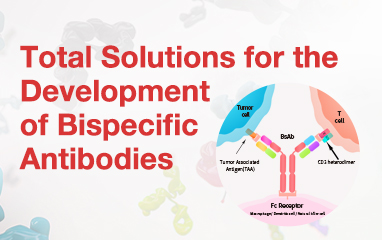 Bispecific Antibody Lanscape: Evolution, Breakthroughs, and Prospects2026-05-21Page Views:155
 CD19 as a CAR-T Target: Biology, Limitations, and Alternative Strategies2026-05-20Page Views:128




 Related Products