Decoding Autoimmunity: An End-to-End Platform from Mechanistic Insight to Drug Development
 Date de publication :2026-01-05
 Nombre de vues :772

Introduction: Immune Homeostasis Disruption and the Risk of Autoimmune Disease
The immune system’s fundamental role is to precisely distinguish self from non-self through tightly coordinated central and peripheral tolerance mechanisms that preserve immune homeostasis. When genetic susceptibility and environmental triggers disrupt this balance, the immune system enters a state of misrecognition, mounting attacks against the body’s own tissues and giving rise to autoimmune disease. Clinically, low-level autoantibodies can be detected in the serum of nearly 10 percent of otherwise healthy individuals. Although often asymptomatic, this finding reflects latent immune dysregulation and underscores both the hidden nature and the widespread prevalence of autoimmunity.

https://doi.org/10.1111/joim.12395
Summary of the development of autoimmune disease
Disease Overview: Aberrant Immune Activation and Core Signaling Pathways
Autoimmune diseases arise from a systemic breakdown of immune homeostasis. Central to this process is the abnormal activation of T and B cells together with dysregulation of key cytokine signaling networks, particularly those driven by interleukins. This pathological cascade fuels uncontrolled expansion of autoreactive immune cells and sustained overproduction of pro-inflammatory mediators, leading to progressive immune-mediated damage of otherwise healthy tissues and organs. From organ-specific disorders such as type 1 diabetes to systemic conditions like systemic lupus erythematosus and rheumatoid arthritis, nearly a hundred autoimmune diseases present with diverse clinical features yet share a highly convergent immunopathological foundation.

Spotlight on Major Autoimmune Diseases: Mechanisms and Therapeutic Advances
Ankylosing Spondylitis (AS) is characterized by immune dysregulation, in which the immune system mistakenly attacks the body’s own tissues, ultimately leading to the formation of bone spurs and joint ankylosis. Targeted therapies have evolved from traditional TNF-α inhibitors to novel treatments. Dual IL-17A/F inhibitors (e.g., bimekizumab) precisely suppress the IL-17 inflammatory axis, significantly improving axial symptoms of AS. IL-12/IL-23 p40 inhibitors (e.g., ustekinumab) show potential by blocking the Th17 differentiation pathway. Dual-targeted strategies that address both inflammation and bone metabolism may represent a promising future direction in AS management.

Related Article: World Ankylosing Spondylitis Day | ACRO Stands with You in Safeguarding Spinal Health
Systemic Lupus Erythematosus (SLE) is a complex autoimmune disease caused by the immune system mistakenly attacking the body's own tissues. Its pathogenesis involves aberrant activation of multiple immune cell types, immune complex deposition, and cytokine dysregulation. Abnormal expression of cytokines such as IFN-α and BAFF plays a pivotal role in the onset and progression of SLE. Targeted therapies against B cells and T cells, as well as emerging strategies involving BCMA, are paving the way for more precise and personalized treatment approaches in SLE.

Related Article: World Lupus Day | ACRO Stands with You in the Fight Against SLE
Inflammatory Bowel Disease (IBD) is a chronic inflammatory condition of the gastrointestinal tract caused by immune dysregulation, encompassing both Crohn’s disease and ulcerative colitis. Its pathogenesis involves complex interactions among the immune system, gut microbiota, and environmental factors. Aberrantly activated T and B cells secrete inflammatory cytokines such as TNF-α, IL-17, and TL1A, leading to intestinal tissue damage. Key immune mechanisms include the Th17 pathway, JAK/STAT signaling, TL1A/DR3 axis, and integrin-mediated cell adhesion. Dysregulation of these pathways collectively drives the chronic intestinal inflammation and disease progression observed in IBD.

Related Article: World Inflammatory Bowel Disease Day | ACRO Stands with You in Safeguarding Intestinal Health
Multiple Sclerosis (MS) is a chronic, inflammatory, demyelinating disease primarily affecting the central nervous system. Its core mechanism involves abnormal immune responses that result in damage to nerve fibers. Advances in immune regulation and neurorepair strategies have driven therapeutic innovation. Emerging treatments targeting B cells, BAFF inhibitors, and TGF-β modulators have shown promise. Additionally, novel agents such as TL1A blockers and Neuropilin-2 antibodies are opening new avenues for neuroprotection in MS therapy.

Related Article: World Multiple Sclerosis Day | ACRO Stands with You in the Silent Battle of the Central Nervous System
Myasthenia Gravis (MG) is an autoimmune disease characterized by skeletal muscle fatigue and weakness, with symptoms typically worsening after activity. The pathogenesis involves autoantibodies attacking acetylcholine receptors at the neuromuscular junction, leading to impaired signal transmission. Therapeutic advances include inhibitors targeting CD20, CD19, and JAK, as well as agents that modulate co-stimulatory molecules. In addition, strategies targeting the complement C1s pathway and Fcγ receptor signaling have shown promising potential for clinical application.

Related Article: World Myasthenia Gravis Day | ACRO Stands with You in Protecting Muscle Health
Sjögren's Syndrome (SS) is characterized by aberrant lymphocyte activation leading to damage of exocrine glands. Common symptoms include dry mouth and dry eyes, and the disease may involve multiple organ systems such as the kidneys and lungs, with a subset of patients at risk for lymphoma transformation. Recent advances in targeted drug development include FcRn inhibitors, CD3/BCMA bispecific antibodies, CD40 antagonists, and IFNAR monoclonal antibodies. These therapies aim to precisely modulate dysregulated immune responses and preserve glandular function, offering promising new directions for clinical treatment.

Related Article: World Sjögren’s Day | Advancing Together with ACRO to Uncover the Truth Behind Dryness
Atopic Dermatitis (AD) is a chronic inflammatory skin disorder driven by epidermal barrier dysfunction and overactivation of type 2 (Th2) immunity. Key cytokines such as IL-4, IL-13, and IL-31 contribute to pruritus and inflammation. Therapeutic strategies have shifted from traditional immunosuppressants to targeted biologics. IL-4Rα monoclonal antibodies (e.g., dupilumab) block signaling of both IL-4 and IL-13, while TSLP antibodies target upstream alarmins. Emerging therapies targeting IL-5, IL-17A, and IL-22 are also under development, marking a transition in AD treatment toward precision medicine that emphasizes both targeted immune blockade and restoration of the skin barrier.

Related Article: World Atopic Dermatitis Day | ACRO Supporting an Itch-Free Life
Rheumatoid Arthritis (RA) is a chronic autoimmune disease characterized by immune dysregulation leading to synovitis and joint destruction. Treatment strategies have evolved from traditional targets—such as TNF-α, IL-6R, and CD20—to novel targeted therapies. These include CTLA-4-IgG fusion proteins that modulate T cell activation, anti-IL-17A antibodies that block inflammatory pathways, FcRn inhibitors that accelerate the clearance of pathogenic antibodies, and complement C5 inhibitors that interfere with the inflammatory cascade. These therapies enable precise modulation of immune cell interactions, cytokine networks, and antibody metabolism, advancing RA treatment toward a personalized, multi-targeted therapeutic approach.

Related Article: World Arthritis Day | ACRO with You to Safeguard Joint Health
Psoriasis (PsO) is a chronic immune-mediated inflammatory skin disease primarily driven by aberrant activation of the IL-23/Th17 axis. This leads to the release of pro-inflammatory cytokines such as IL-17A and IL-22, causing excessive keratinocyte proliferation and inflammatory cell infiltration. Targeted therapies focus on key molecules in this pathway: IL-23 monoclonal antibodies (e.g., guselkumab) block upstream regulation, while IL-17A monoclonal antibodies (e.g., secukinumab) directly inhibit central inflammatory mediators. Additionally, IL-1Ra antagonists (e.g., anakinra) and LAG-3 inhibitors are under development, showing promising potential in the treatment of PsO.

Related Article: World Psoriasis Day | ACRO Partnering with You to Advance Skin Health
Type 1 Diabetes Mellitus (T1DM), also known as insulin-dependent diabetes, is a chronic autoimmune disease primarily driven by pathological activation of T cells, leading to an immune attack against pancreatic β-cell antigens. Immunotherapeutic strategies focus on restoring immune tolerance, targeting molecules such as CD3, CD20, and CD40L. Currently, teplizumab, a CD3-targeting monoclonal antibody, is the only approved drug for this indication. The future of T1DM drug development lies in multi-target interventions and integration with artificial pancreas technologies.

Related Article: World Diabetes Day | Avoid the Sweet Trap — ACRO Fuels Innovation in Diabetes Drug Development
ACRO End-to-End Solutions: Empowering Autoimmune Drug Development
We focus deeply on the major autoimmune diseases, aiming to accelerate innovative drug development. Our core product portfolio—including high-activity recombinant proteins, stable cell lines, and inhibitor screening kits, supporting end-to-end workflows from target discovery to clinical translation.

Hot Target Recommendations


>> ComboX, A Combination of Universal Solutions
References
Wang L, Wang F S, Gershwin M E. Human autoimmune diseases: a comprehensive update[J]. Journal of internal medicine, 2015, 278(4): 369-395. https://doi.org/10.1111/joim.12395
 Articles populairesRecommandations associéesActivités populaires
 Why CAR-T Works in Blood Cancers but Struggles in Solid Tumors2026-05-27Nombre de vues :15
 Universal CAR Detection Solutions: Broad Compatibility, Higher Efficiency!2026-05-25Nombre de vues :29
 Comprehensive Guide to CAR-T Targets in Solid and Hematologic Malignancies2026-05-21Nombre de vues :157
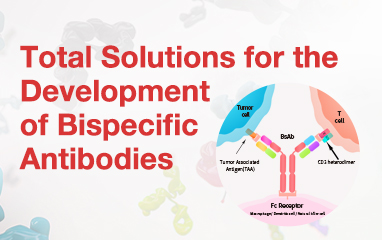 Bispecific Antibody Lanscape: Evolution, Breakthroughs, and Prospects2026-05-21Nombre de vues :154
 CD19 as a CAR-T Target: Biology, Limitations, and Alternative Strategies2026-05-20Nombre de vues :128





 Produits associés