Expanding the Potential of Hematopoietic Stem Cells (HSCs): Emerging Strategies for HSCs Expansion and Clinical Manufacturing
 Publication Date:2026-07-22
 Page Views:135
Hematopoietic Stem Cells: A Foundation for Next-Generation Cell and Gene Therapies
Hematopoietic stem cells (HSCs) are responsible for lifelong blood production and immune system regeneration through their unique capacity for long-term self-renewal and multilineage differentiation. As the foundation of hematopoietic stem cell transplantation (HSCT), HSCs have played a central role in the treatment of hematological disorders for decades. To date, more than 2,700 HSCT-related clinical studies have been conducted worldwide, continuously advancing stem cell biology, transplantation medicine, and cell therapy development.
In recent years, the therapeutic applications of hematopoietic stem and progenitor cells (HSPCs) have expanded well beyond conventional transplantation. CD34⁺ HSPCs have become one of the most clinically validated platforms for ex vivo gene modification and cell engineering. Several HSPC-based therapies have already achieved regulatory approval, including the lentiviral gene-addition therapies Zynteglo® for β-thalassemia and Lyfgenia® for sickle cell disease, as well as the CRISPR/Cas9-edited therapy Casgevy®, marking a major milestone in the clinical translation of genome engineering technologies.
Meanwhile, emerging technologies such as base editing, induced pluripotent stem cell (iPSC)-derived therapies, and regenerative medicine are creating new opportunities for HSPC applications. For example, CS-101, an autologous CD34⁺ HSPC-based base-editing therapy (Figure 1), has demonstrated durable transfusion independence in patients with transfusion-dependent β-thalassemia by reactivating fetal hemoglobin expression. In parallel, iPSC-derived HSC-like cells are increasingly being explored as upstream sources for the production of therapeutic NK cells,T cells,platelets and red blood cells(RBCs) (Figure 2). These advances have made efficient HSCs stemness maintenance and expansion a critical focus for both academic research and clinical manufacturing, driving intense interest in cytokine optimization, small-molecule modulation, and next-generation culture systems.
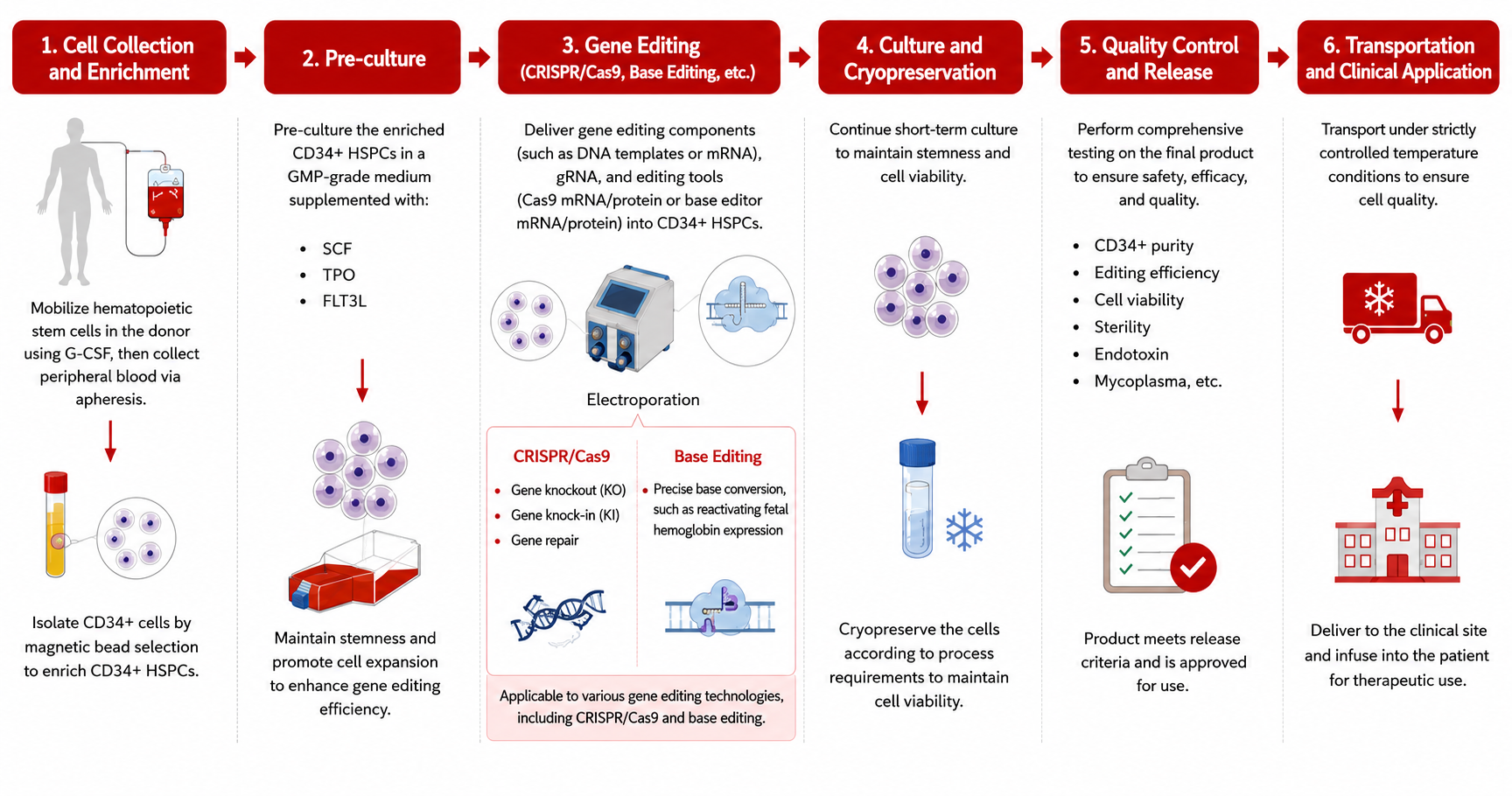
Figure 1. The production process flow of the CRISPR and base editing drugs related to HSPCs.
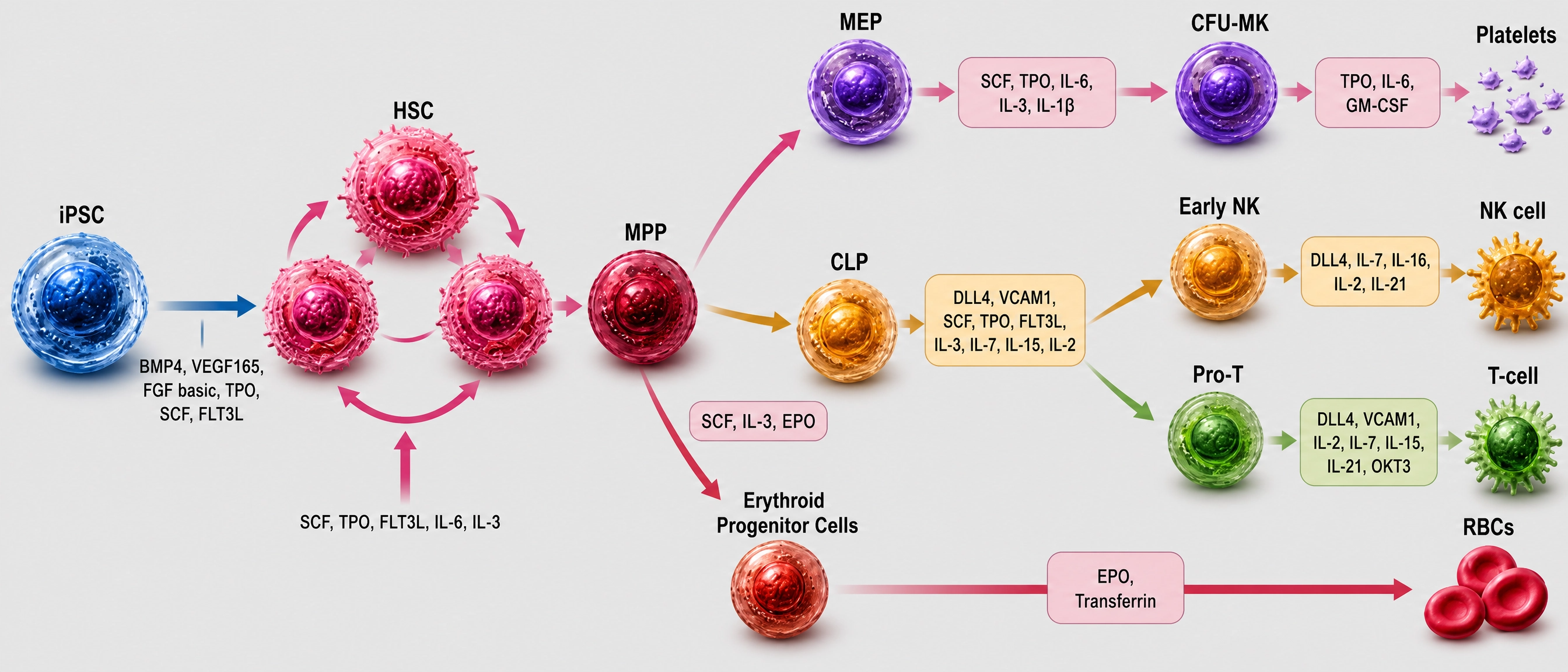
Figure 2. Schematic diagram of iPSC-derived HSCs to therapeutic platelets, NK cells, T cells and RBCs with key cytokine cocktails.
Advances in HSCs Maintenance and Expansion: Cytokines, Small Molecules, and Emerging Stemness-Preserving Approaches
Despite significant progress in stem cell biology, maintaining HSCs stemness during ex vivo culture remains a major challenge. Conventional expansion systems often induce differentiation and compromise long-term repopulating capacity. Consequently, substantial research efforts have focused on developing strategies that promote proliferation while preserving stem cell functionality.
Cytokine-Based Expansion Remains the Foundation
For decades, cytokines have served as the cornerstone of HSCs expansion protocols. Among them, Stem Cell Factor (SCF), Thrombopoietin (TPO), and Flt-3 Ligand (FLT3L) constitute the most widely adopted cytokine combination for maintaining HSCs survival, self-renewal, and proliferation (Figure 3).
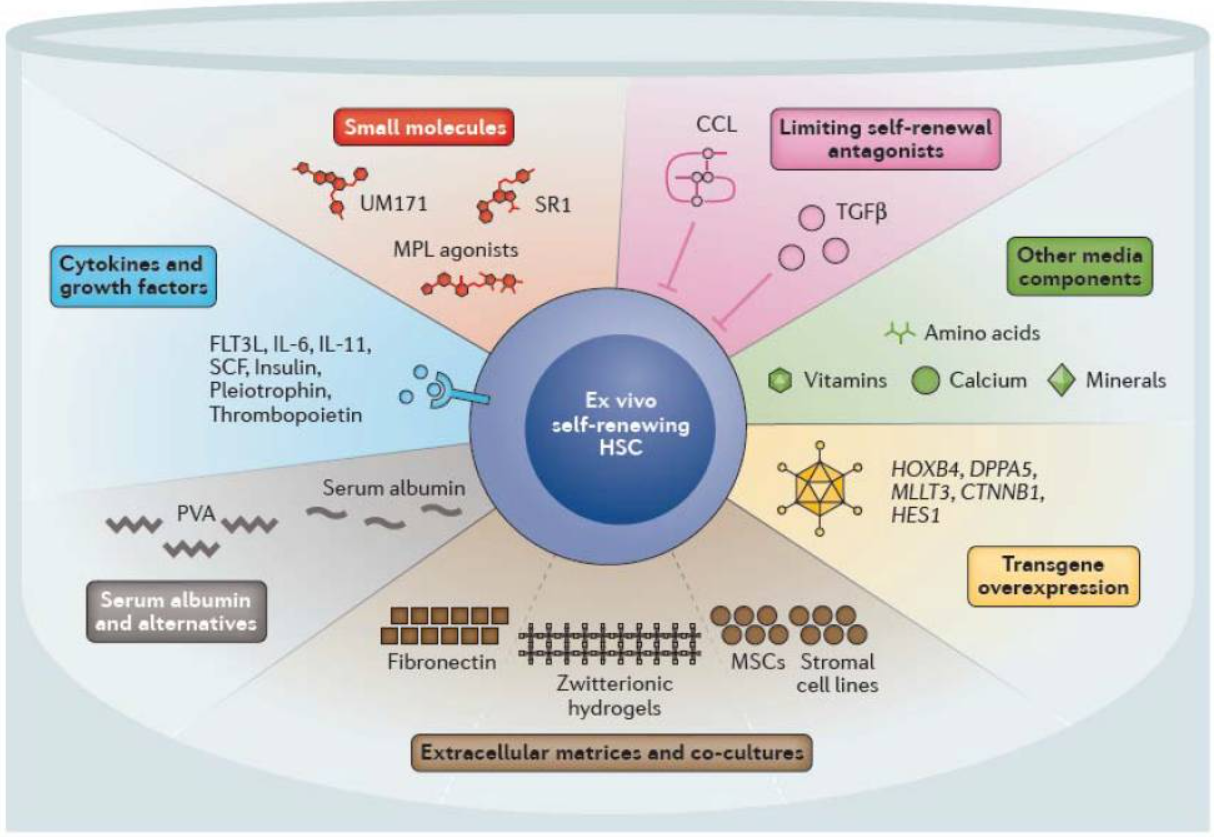
Figure 3. Components of ex vivo HSPCs culture systems.
SCF activates c-Kit signaling to support stem cell survival and maintenance, while FLT3L promotes progenitor cell expansion and hematopoietic development. TPO contributes to long-term stem cell preservation and enhances repopulating capacity. Additional cytokines such as IL-3 and IL-6 are frequently incorporated to further stimulate proliferation and progenitor cell expansion.
Together, these cytokines establish the essential signaling environment required for HSPCs culture and remain the foundation of both research and clinical manufacturing workflows.
Beyond Cytokines: Emerging Stemness-Preserving Strategies
In addition to cytokine-based culture systems, researchers have explored various approaches to further improve HSPCs expansion, including small molecules such as UM171, SR1, and ferroptosis inhibitors, as well as metabolic regulation and biomimetic culture technologies. Although these innovations have shown promise in preserving stemness and enhancing expansion efficiency, cytokines remain the indispensable foundation of virtually all HSCs manufacturing workflows. Consequently, high-quality cytokines such as SCF, FLT3L, and TPO continue to serve as the core components of both established and next-generation HSCs expansion platforms.
Our Solutions for HSCs Expansion and Cell Therapy Manufacturing
As HSCs-based therapies advance from research laboratories to clinical and commercial manufacturing, the quality, consistency, and regulatory compliance of raw materials have become increasingly important.
We have established a comprehensive GMP-compliant cell culture platform that supports the entire HSCs workflow, from HSCs isolation and expansion to gene editing, differentiation, and cell therapy manufacturing. By providing high-quality cytokines, cell culture reagents, and regulatory support, we help accelerate the development of HSCs-based therapeutics.
GMP-Grade Cytokines for HSCs Expansion
We provide a full panel of GMP-grade cytokines optimized for iPSC-derived HSPCs differentiation and HSPCs expansion, including: BMP4, VEGF165, SCF, TPO, FLT3, IL-3 and IL-6, etc. These GMP-grade cytokines effectively drive 14-day directed hematopoietic differentiation of iPSCs, facilitating embryoid body formation and yielding high-purity CD34⁺CD45⁺ HSPCs with typical morphological features for subsequent lineage differentiation.
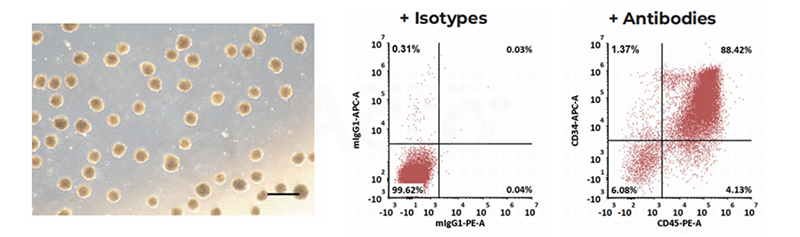
Morphological characteristics and marker expression of iPSC-derived HSPCs after 14 days of differentiation. Embryoid bodies were generated from iPSCs cultured in mTeSR™ Plus medium, followed by directed differentiation toward HSPCs in StemPro™-34 SFM Complete Medium. These medium supplemented with GMP-grade cytokines, including BMP4 (GMP-BM4H36), SCF (GMP-SCFH25), TPO (GMP-THNH25), FLT3L (GMP-FLLH28), FGF basic (GMP-FGCH17), and VEGF165 (GMP-VE5H23), along with additional factors. These cytokines significantly promoted HSPCs differentiation, as evidenced by morphological characteristics and robust expression of hematopoietic stem cell markers CD34 and CD45. Scale bar, 250 μm.
These cytokines have also been validated in HSCs expansion systems and are capable of supporting stemness maintenance, robust proliferation, and downstream functional applications.
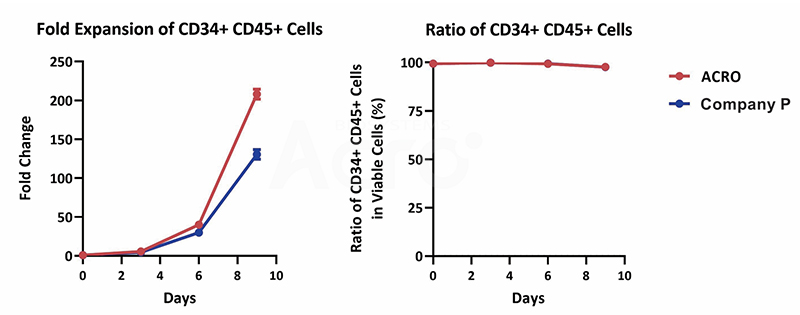
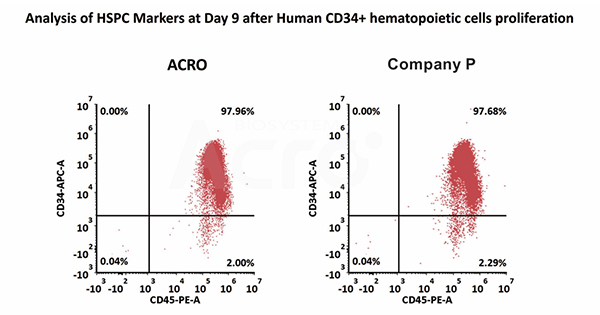
HSPCs were cultured with medium containing different factors for 9 days. The cell surface markers, CD34 and CD45, were detected with a flow cytometer. The result shows that GMP SCF (GMP-SCFH25), FLT3L (GMP-FLLH28) and TPO (GMP-THNH25) have the better ability to promote HSPCs proliferation of HSPCs than Company P and have similar CD34⁺CD45⁺ population compared to Company P.
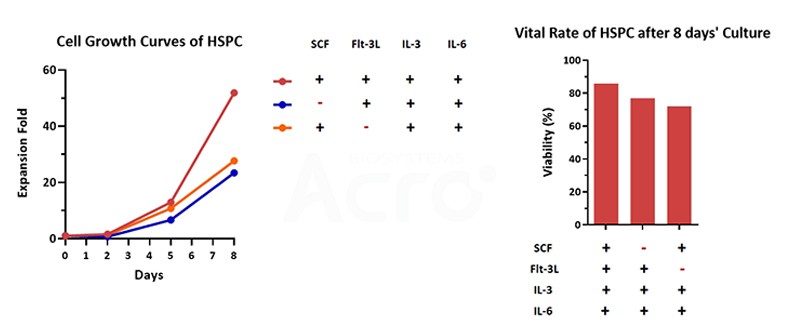
GMP Human SCF Protein (GMP-SCFH25), Human Flt-3 Ligand Protein (GMP-FLLH28), GMP Human IL-3 Protein (GMP-L03H18) and GMP Human IL-6 Protein (GMP-L06H27) could support the rapid cell expansion and good cell viability of CD34⁺ hematopoietic stem cells.
E. coli-Derived GMP-grade SCF and FLT3L
SCF is a critical regulator of hematopoietic stem cell biology and a central component of virtually all HSPCs expansion protocols. SCF, FLT3L, and TPO form the core cytokine cocktail used in many CD34⁺ HSPCs expansion, gene-editing, and cell therapy manufacturing workflows.
Our GMP-grade E. coli-derived SCF and FLT3L offers:
- ✔ Proven performance in supporting HSC/HSPC maintenance of stemness and expansion
- ✔ Animal-origin-free production to reduce safety risks and facilitate regulatory filings, comprehensive global regulatory support
- ✔ Excellent batch-to-batch consistency and scalable GMP manufacturing for reproducible process performance and reliable long-term supply
One of the major challenges in cell therapy development is ensuring that biological performance remains unchanged when transitioning from research-grade or pre-GMP-grade reagents to GMP-grade materials. To facilitate a seamless transition toward clinical manufacturing, we evaluated the performance of GMP-grade E. coli-derived cytokines against their corresponding pre-GMP versions.
PG-SCF VS. GMP-SCF
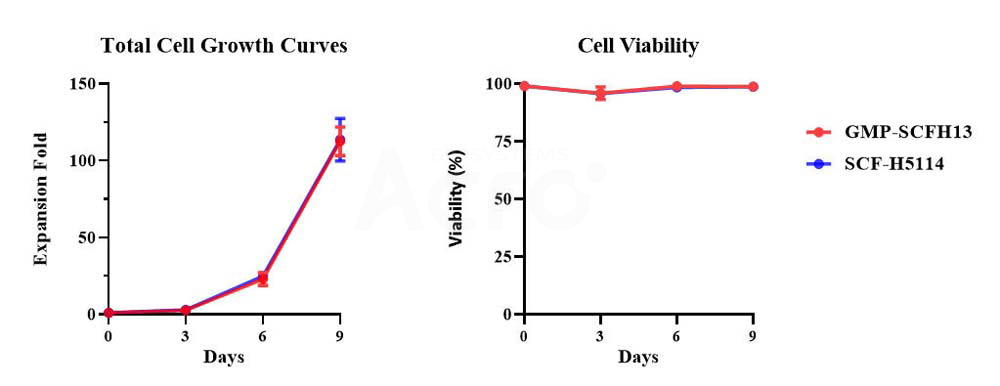
HSPCs were expanded ex vivo for 9 days using a cytokine cocktail containing GMP Human SCF Protein (E. coli) (GMP-SCFH13), GMP Human Flt-3 Ligand Protein (E. coli) (GMP-FLLH13), and GMP Human Thrombopoietin Protein (GMP-THNH25). The cell growth curve and cell viability are analyzed by AO/PI staining. The results demonstrate that GMP Human SCF Protein (E. coli) effectively promoted HSPCs expansion and maintained stemness, exhibiting performance comparable to that of Human SCF (26-189) Protein (E. coli), premium grade (SCF-H5114).
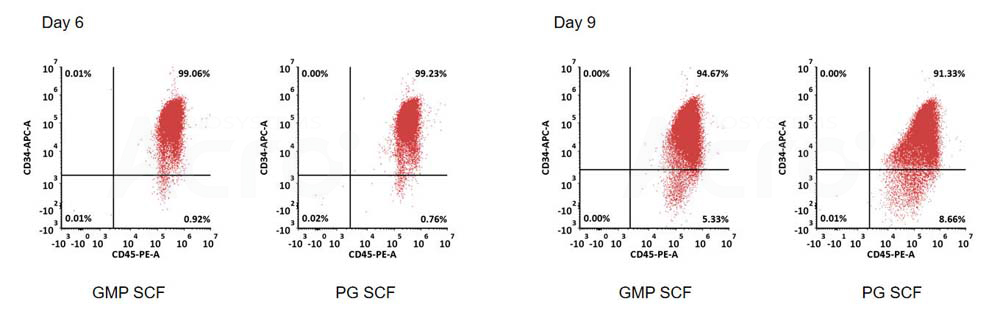
HSPCs were expanded ex vivo for 9 days using a cytokine cocktail containing GMP Human SCF Protein (E. coli) (GMP-SCFH13), GMP Human Flt-3 Ligand Protein (E. coli) (GMP-FLLH13), and GMP Human Thrombopoietin Protein (GMP-THNH25). The expression of HSC markers, CD34 and CD45, was subsequently analyzed by flow cytometry. The results demonstrate that GMP Human SCF Protein (E. coli) effectively promoted HSPCs expansion and maintained stemness, exhibiting performance comparable to that of Human SCF (26-189) Protein (E. coli), premium grade (SCF-H5114).
PG-FLT3L VS. GMP-FLT3L
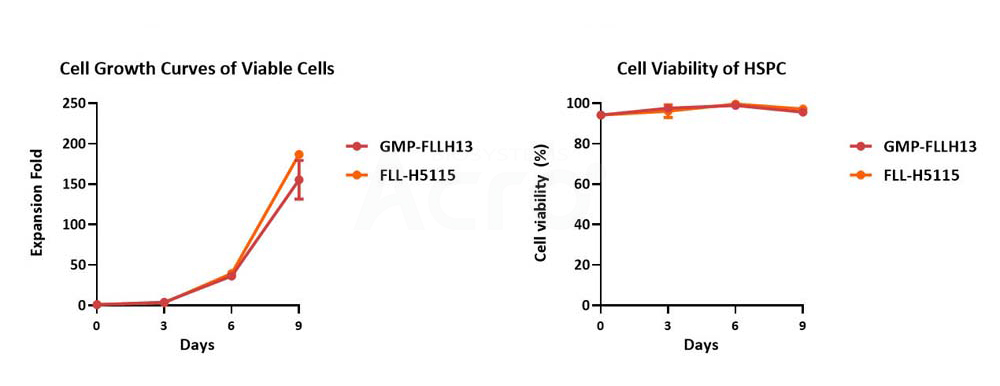
HSPCs were expanded ex vivo for 9 days using a cytokine cocktail containing GMP Human SCF Protein (GMP-SCFH25), GMP Human Flt-3 Ligand Protein (E. coli) (GMP-FLLH13), and GMP Human Thrombopoietin Protein (GMP-THNH25). The cell growth curve and cell viability are analyzed by AO/PI staining. The results demonstrate that GMP Human Flt-3 Ligand Protein (E. coli) could support the rapid cell expansion and good cell viability of HSPCs, exhibiting performance comparable to that of Human Flt-3 Ligand Protein (E. coli), premium grade (FLL-H5115).
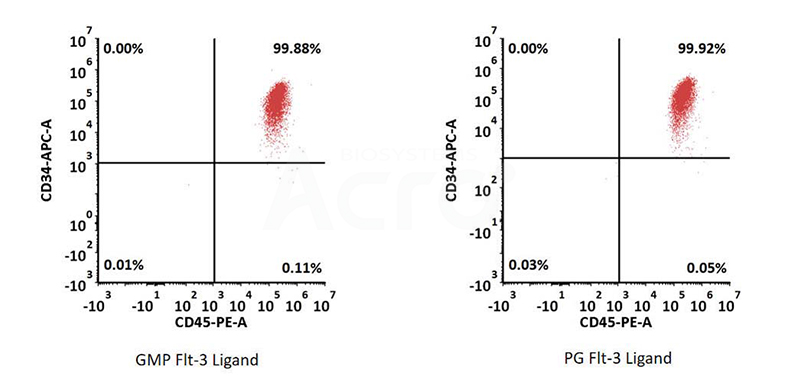
HSPCs were cultured for 3 days in medium supplemented with GMP Human SCF Protein (GMP-SCFH25), GMP Human Flt-3 Ligand Protein (GMP-FLLH13), and GMP Human Thrombopoietin (TPO) Protein (GMP-THNH25). Flow cytometry was used to assess the expression of surface markers CD34 and CD45. The results demonstrate that GMP Human Flt-3 Ligand Protein (GMP-FLLH13) promoted HSPC proliferation to a similar extent as Human Flt-3 Ligand Protein (E. coli), premium grade (FLL-H5115).
The results indicate our PG and GMP-grade products feature:
- ✔ Comparable potency profiles
- ✔ Consistent cell expansion performance
- ✔ No significant loss of biological activity after GMP conversion
- ✔ Reduced process transfer risk during CMC development
This consistency enables customers to accelerate process development while minimizing re-optimization efforts during clinical translation.
Accelerating the Future of HSPC-Based Therapies
The rapid advancement of gene editing, base editing, and iPSC-derived cell therapies continues to increase demand for scalable, clinically compliant HSPC manufacturing solutions. While innovative approaches such as small-molecule modulation, metabolic regulation, and niche-inspired culture systems are reshaping the field, high-quality cytokines remain the indispensable foundation of successful HSPC expansion.
With a comprehensive portfolio of GMP-grade cytokines—including E. coli-derived SCF, FLT3L, and TPO—alongside robust quality systems, global supply capabilities, and regulatory support, we are committed to enabling the next generation of HSPC-based cell and gene therapies from discovery to commercialization.
Frequently Asked Questions (FAQ)
Q1: What are the key cytokines required for HSPC expansion?
A: The most widely used cytokine combination for ex vivo HSPC expansion includes Stem Cell Factor (SCF), Flt-3 Ligand (FLT3L), and Thrombopoietin (TPO). These cytokines work synergistically to support HSPC survival, self-renewal, proliferation, and maintenance of stemness. Additional cytokines such as IL-3 and IL-6 are often incorporated to further enhance progenitor expansion depending on the application.
Q2: Why is maintaining HSPC stemness during ex vivo expansion challenging?
A: During prolonged ex vivo culture, hematopoietic stem and progenitor cells (HSPCs) tend to differentiate, leading to reduced long-term engraftment potential and therapeutic efficacy. Current expansion strategies therefore combine optimized cytokine cocktails with emerging approaches such as UM171, SR1, metabolic regulation, and biomimetic culture systems to improve expansion while preserving stem cell functionality.
Q3: Why are GMP-grade cytokines important for HSPC manufacturing?
A: Clinical manufacturing requires raw materials that meet stringent quality, safety, and regulatory standards. GMP-grade cytokines provide:
- ✔ Batch-to-batch consistency
- ✔ Animal-origin-free manufacturing
- ✔ Regulatory documentation for IND/BLA submissions
- ✔ Reliable performance during process scale-up
 Popular ArticlesRelated RecommendationsPopular Events
 Beyond Bispecifics: How Multispecific Antibodies Are Breaking the Efficacy Ceiling2026-08-10Page Views:57
 Autoimmune Disease 3.0: Biomarkers Driving the Future of Precision Drug Development2026-08-06Page Views:58
 Application-Oriented Functional Cell Lines | Case Study Series2026-08-03Page Views:86
 AI-Assisted Bispecific Antibody Development: From Target Pairing Prediction to Experimental Validation2026-07-31Page Views:100
 The Brain's Fountain of Youth: How Modern Neuroscience Is Decoding Healthy Brain Aging2026-07-31Page Views:56




 Related Products