Single- vs Multi-Antigen Targeting Strategies in Next-Generation CAR-Based Cell Therapy
 Publication Date:2026-06-10
 Page Views:236
Introduction to CAR-T Targeting Strategies
(1) Overview of Single-Antigen CAR-T Targeting
Single-antigen CAR-T therapy remains the most clinically validated and commercially mature CAR design strategy. Representative products targeting CD19 and BCMA, including Kymriah and Yescarta, have demonstrated durable clinical benefit in B-cell malignancies and multiple myeloma, establishing CAR-T therapy as a transformative modality in hematologic oncology.
This approach relies on the recognition of a single tumor-associated antigen through a CAR-derived single-chain variable fragment (scFv), enabling highly specific cytotoxicity against malignant cells. The success of single-antigen CAR-T therapies is largely attributed to the relatively homogeneous expression of lineage-associated antigens such as CD19 or BCMA in hematologic cancers. In addition, the comparatively simpler construct design facilitates more standardized CMC development, manufacturing consistency, and regulatory evaluation.
(2) When Is Multi-Antigen Targeting Needed?
As CAR-T therapy expands into solid tumors, multi-antigen targeting strategies have emerged as a major focus of next-generation cell therapy development. Unlike hematologic malignancies, solid tumors exhibit substantial intertumoral and intratumoral heterogeneity, dynamic antigen modulation, and increased risk of antigen-negative relapse, all of which limit the durability of conventional single-target CAR-T approaches.
To address these challenges, multi-antigen CAR-T platforms are designed to recognize two or more tumor-associated antigens simultaneously, thereby improving tumor coverage and reducing immune escape. Current formats include:
Table 1. Major Multi-Antigen Targeting Strategies in Next-Generation CAR-Based Cell Therapy
| Strategy | Design Characteristics | Advantages | Challenges |
|---|---|---|---|
| Dual CAR | Co-expression of two independent CARs within the same cell. | Flexible antigen recognition and reduced antigen escape. | Increased vector size and manufacturing complexity. |
| Tandem CAR (TanCAR) | Two scFvs integrated into a single CAR construct. | Coordinated signaling and simplified cell engineering. | Potential steric interference between binding domains. |
| Trispecific/Trivalent CAR | Simultaneous targeting of three tumor antigens. | Broader tumor coverage and improved control of heterogeneous tumors. | More complex construct optimization and expression control. |
| Logic-Gated CAR Systems | Antigen recognition regulated through AND/OR/NOT logic circuits. | Improved specificity and reduced off-tumor toxicity. | Complex engineering and limited clinical validation to date. |
(3) Rationale for Choosing Single vs Multi-Antigen Approaches
The choice between single- and multi-antigen CAR-T strategies requires balancing therapeutic durability, safety, manufacturing complexity, and tumor biology. Single-antigen CAR-T therapy remains highly effective for hematologic malignancies characterized by stable and uniformly expressed targets. Its relatively lower construct complexity and more established manufacturing framework continue to support broader clinical implementation. However, antigen escape has emerged as a major mechanism of relapse following CAR-T therapy. Tumor cells may evade immune pressure through antigen downregulation, gene mutation, alternative splicing, or lineage switching. These challenges are particularly pronounced in solid tumors, where heterogeneous antigen expression creates substantial barriers to sustained CAR-T efficacy.
Multi-antigen CAR-T strategies are therefore increasingly pursued to:
- reduce antigen-negative relapse;
- improve tumor coverage across heterogeneous tumor populations;
- enhance therapeutic durability;
- enable more selective tumor recognition through combinatorial antigen sensing.
Nevertheless, increased structural complexity may introduce additional challenges in vector engineering, transgene stability, manufacturing consistency, and toxicity management, particularly with respect to cytokine release syndrome (CRS) and neurotoxicity.
Biological and Clinical Considerations
(1) Antigen Expression Patterns and Tumor Heterogeneity
Antigen heterogeneity remains one of the primary biological barriers limiting CAR-T efficacy in solid tumors. Unlike CD19-driven hematologic malignancies, most solid tumors express tumor-associated antigens (TAAs) in a heterogeneous and dynamically evolving manner, often with low-level expression in normal tissues. This heterogeneous antigen landscape can generate "antigen-low" or "antigen-negative" tumor subclones that evade single-target CAR-T recognition. Furthermore, antigen expression may change during treatment under selective immune pressure, contributing to therapeutic resistance and relapse.
Multi-antigen CAR-T strategies aim to overcome these limitations by broadening tumor recognition. Advanced combinatorial systems further incorporate Boolean logic-gated activation mechanisms:
Table 2. Logic-Gated CAR Strategies for Improving Precision Cell Therapy
| Strategy | Mechanism | Primary Objective | Potential Benefit |
|---|---|---|---|
| OR-Gate CAR | Activation occurs when either antigen A or antigen B is detected. | Increase tumor recognition coverage. | Reduced antigen escape and improved efficacy in heterogeneous tumors. |
| AND-Gate CAR | Activation requires concurrent recognition of both antigen A and antigen B. | Enhance tumor specificity. | Lower risk of on-target/off-tumor toxicity. |
| NOT-Gate CAR (iCAR) | Recognition of a normal-cell antigen delivers an inhibitory signal that blocks CAR activation. | Protect normal tissues. | Improved safety profile. |
| SynNotch-Based CAR | Recognition of a priming antigen induces expression of a second CAR targeting another antigen. | Enable spatially controlled activation. | Highly selective tumor targeting and reduced systemic toxicity. |
These next-generation designs are increasingly viewed as critical innovations for improving the therapeutic index of solid tumor CAR-T therapies.
(2) Risk of Antigen Escape and Relapse
Antigen escape is now recognized as a central mechanism underlying relapse after CAR-T therapy. In CD19 CAR-T-treated B-cell malignancies, relapse associated with CD19 loss or downregulation has been consistently observed across multiple clinical studies.
Mechanisms contributing to antigen escape include:
- antigen mutation or deletion;
- alternative mRNA splicing;
- epitope masking or antigen internalization;
- lineage switch toward non-B-cell phenotypes.
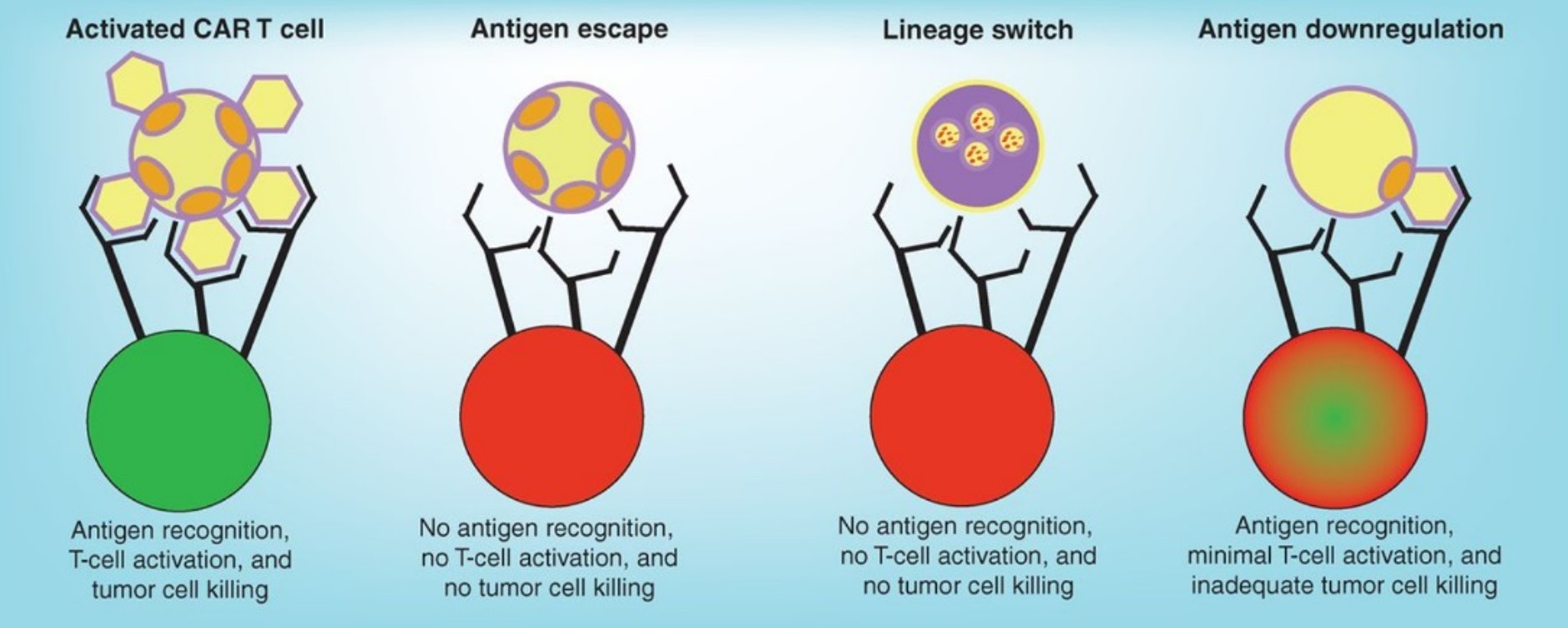
Figure 1. Mechanisms of tumor antigen escape.(DOI: 10.1158/2159-8290.CD-18-0442)
To mitigate these risks, dual-target approaches such as CD19/CD22 CAR-T therapy have shown promising clinical activity in relapsed/refractory B-ALL and B-NHL. Recent follow-up studies suggest that dual-target CAR-T platforms may improve remission durability and reduce antigen-negative relapse compared with conventional single-target approaches.
(3) Clinical Indications and Evidence from Trials
Multi-antigen CAR-T therapies are rapidly advancing from early proof-of-concept studies toward broader clinical translation. In hematologic malignancies, CD19/CD22 dual-target CAR-T therapies have demonstrated encouraging efficacy in relapsed/refractory B-ALL and large B-cell lymphoma, with emerging evidence supporting improved long-term disease control in high-risk patient populations. In solid tumors, increasing numbers of clinical trials are evaluating multi-target CAR-T approaches against antigens such as MSLN, GPC3, HER2, Claudin18.2, EGFRvIII, and IL13Rα2. Among these, recent phase I studies of EGFR/IL13Rα2-targeted CAR-T cells in recurrent glioblastoma have reported manageable safety profiles and preliminary anti-tumor responses, further supporting the feasibility of combinatorial targeting strategies in solid tumors.
At the same time, the increased immune activation associated with multi-antigen targeting may elevate the risk of CRS and ICANS, necessitating additional safety optimization strategies such as:
- fractionated dosing;
- controllable CAR expression systems;
- suicide switches;
- conditional activation platforms;
- armored CAR-T and cytokine-regulated designs.
Conclusion and Future Perspectives
(1) Complementary Rather Than Competing Strategies
Single-antigen and multi-antigen CAR-based therapies should not be viewed as competing approaches, but rather as complementary therapeutic paradigms tailored to different tumor biology and clinical settings. While single-antigen strategies remain highly effective in hematologic malignancies with stable target expression, multi-antigen approaches are increasingly important for addressing the complexity of solid tumors.
(2) Continued Role of Single-Antigen Therapies
Supported by mature clinical evidence, relatively manageable CMC complexity, and established regulatory pathways, single-antigen CAR therapies are expected to remain foundational platforms for hematologic malignancies, particularly in diseases characterized by uniformly expressed targets such as CD19 and BCMA.
(3) Multi-Antigen Targeting as a Next-Generation Direction
Multi-antigen targeting represents a major evolutionary direction for next-generation engineered cell therapies. Growing challenges associated with antigen heterogeneity, immune escape, and the immunosuppressive tumor microenvironment are driving the transition from single-target recognition toward more sophisticated multidimensional targeting strategies. Emerging technologies such as Dual CAR, Tandem CAR (TanCAR), logic-gated CARs, and conditionally activated CAR systems are continuously improving tumor specificity, coverage, and therapeutic safety.
(4) Increasing Engineering and Manufacturing Complexity
Despite their therapeutic potential, multi-antigen platforms also introduce greater complexity in vector engineering, manufacturing consistency, quality control, and clinical safety management. Future innovation will likely focus not only on increasing target numbers, but also on integrating synthetic biology, programmable signaling circuits, and intelligent cell engineering approaches to enable precise activation, dynamic regulation, and personalized treatment.
(5) Future Outlook
With continued advances in next-generation CAR architectures, gene-editing technologies, and tumor microenvironment modulation strategies, multi-antigen engineered cell therapies are expected to further improve treatment durability and expand the applicability of cell therapy in solid tumors. Meanwhile, single-antigen therapies will likely continue to play a central role in standardized and commercially scalable cell therapy development. Together, these strategies are expected to evolve in parallel and collectively drive the next generation of precision and intelligent cell therapies.
Comprehensive Overview of CAR Targets for CAR-T Therapy Development
FAQ
Q1: What is the difference between single-antigen and multi-antigen CAR-T therapy?
A: Single-antigen CAR-T therapy targets one tumor-associated antigen, offering established clinical validation and simpler manufacturing, while multi-antigen CAR-T therapy simultaneously targets two or more antigens to overcome tumor heterogeneity, reduce antigen-negative relapse, and improve efficacy in solid tumors.
Q2: When is multi-antigen CAR-T therapy preferred over single-antigen approaches?
A: Multi-antigen CAR-T therapy is preferred for solid tumors or heterogeneous cancers where single-antigen targeting may fail due to antigen loss, low expression, or immune escape. It enhances tumor coverage and therapeutic durability through combinatorial antigen recognition.
Q3: What are the main multi-antigen CAR designs in next-generation cell therapy?
A: Common multi-antigen CAR designs include Dual CAR (co-expressing two CARs), Tandem CAR (TanCAR, two scFvs in one construct), Trispecific/Trivalent CARs, and Logic-Gated CAR systems that use AND, OR, NOT, or SynNotch circuits to improve specificity and reduce off-tumor toxicity.
Q4: What challenges do multi-antigen CAR-T therapies face compared to single-antigen CAR-T?
A: Multi-antigen CAR-T therapies have increased complexity in vector design, transgene stability, manufacturing consistency, and safety management. They may also raise the risk of cytokine release syndrome (CRS) and neurotoxicity, requiring advanced safety mechanisms such as fractionated dosing or controllable CAR expression.
Q5: How will single- and multi-antigen CAR-T strategies evolve in the future?
A: Single-antigen CAR-T therapies will continue to support hematologic malignancies with standardized manufacturing, while multi-antigen CAR-T strategies will expand for solid tumors, leveraging synthetic biology, programmable signaling, and intelligent cell engineering to enhance precision, safety, and therapeutic durability.
References
- Majzner RG, Mackall CL. Tumor Antigen Escape from CAR T-cell Therapy. Cancer Discov. 2018;8(10):1219-1226. doi:10.1158/2159-8290.CD-18-0442
- Shah, N.N., Fry, T.J. Mechanisms of resistance to CAR T cell therapy. Nat Rev Clin Oncol 16, 372--385 (2019). https://doi.org/10.1038/s41571-019-0184-6
- Rafiq, S., Hackett, C.S. & Brentjens, R.J. Engineering strategies to overcome the current roadblocks in CAR T cell therapy. Nat Rev Clin Oncol 17, 147--167 (2020).
 Popular ArticlesRelated RecommendationsPopular Events
 A Comprehensive Guide to Sterility Testing in Biopharmaceutical Manufacturing: From Compendial Methods to qPCR-Based Rapid Testing2026-07-27Page Views:47
 Biomarkers: Enabling Precision Assessment of Cardio-Kidney-Metabolic (CKM) Syndrome2026-07-24Page Views:75
 Converging at BIO, ACROBiosystems Connects Emerging Innovation Assets with Global Strategic Opportunities2026-07-24Page Views:73
 Payload-Specific ELISA Kits for Intact ADC Quantification in Preclinical PK Studies2026-07-22Page Views:83
 Expanding the Potential of Hematopoietic Stem Cells (HSCs): Emerging Strategies for HSCs Expansion and Clinical Manufacturing2026-07-22Page Views:74



![[Free Sample] Universal Fluorescent Anti-VHH Antibody — Precise Detection of VHH-Based CAR Expression](https://console.acrobiosystems.com/uploads/demo/2026/06/02/Anti-VHHAntibodySmallbanner.jpg)
 Related Products