TCR-CD3 Complex: Unlock Superior CD3 Epitopes with Native Assembly
 Publication Date:2026-06-25
 Page Views:251
Balancing Efficacy and Safety: A Key Challenge in TCE Development
Tumor immunotherapy and autoimmune disease therapeutics represent two major areas of active immunology research. Among emerging immune-modulating strategies, CD3-targeting T cell engagers (TCEs) have attracted considerable attention for their ability to redirect endogenous T cells toward specific target cells. In oncology, TCEs bridge T cells and tumor cells to induce potent immune-mediated cytotoxicity without relying on conventional antigen presentation pathways. Beyond cancer, CD3-based immune modulation is also being explored in autoimmune diseases, where controlled T-cell activation may help restore immune homeostasis.
Despite their therapeutic promise, expanding the therapeutic window of TCEs remains a major challenge. Excessive T-cell activation can lead to cytokine release syndrome (CRS) and other immune-related toxicities, limiting broader clinical application. Consequently, identifying CD3 antibodies that maintain potent antitumor activity while minimizing excessive cytokine release has become a key objective in the development of next-generation TCE therapeutics.
The Physiological Target Context: CD3 Functions Within the TCR–CD3 Complex
Under physiological conditions, CD3 is not expressed on the cell surface as an isolated molecule. Instead, it forms an essential signaling module together with the T cell receptor (TCR), collectively known as the TCR–CD3 complex.
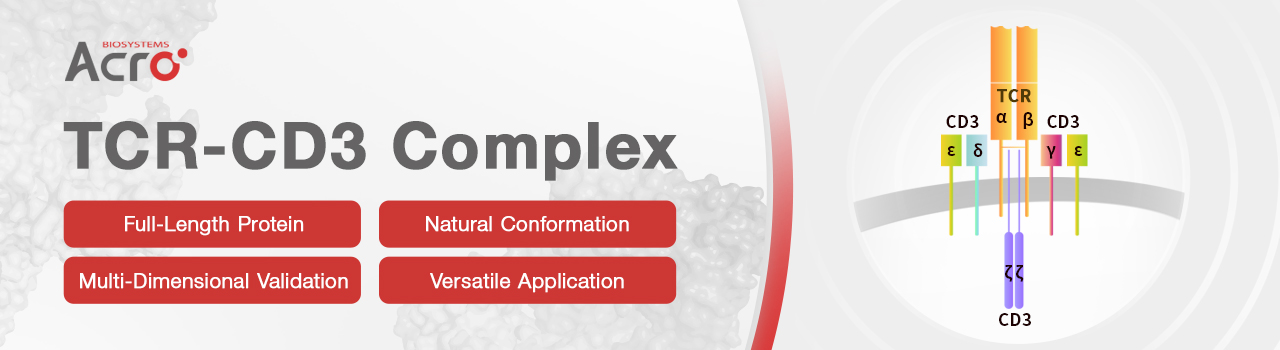
The native TCR–CD3 complex consists of the antigen-recognizing TCRαβ heterodimer and multiple CD3 signaling components, including the CD3γε, CD3δε, and CD3ζζ dimers. The native assembly of these subunits not only enables antigen-induced T-cell signaling but also preserves the structural presentation of CD3 epitopes.
Consequently, although CD3 antibodies bind extracellular domains on CD3 subunits, these epitopes are physiologically presented within the intact TCR–CD3 complex. Screening against the native complex may therefore provide a more physiologically relevant strategy for antibody discovery and characterization.
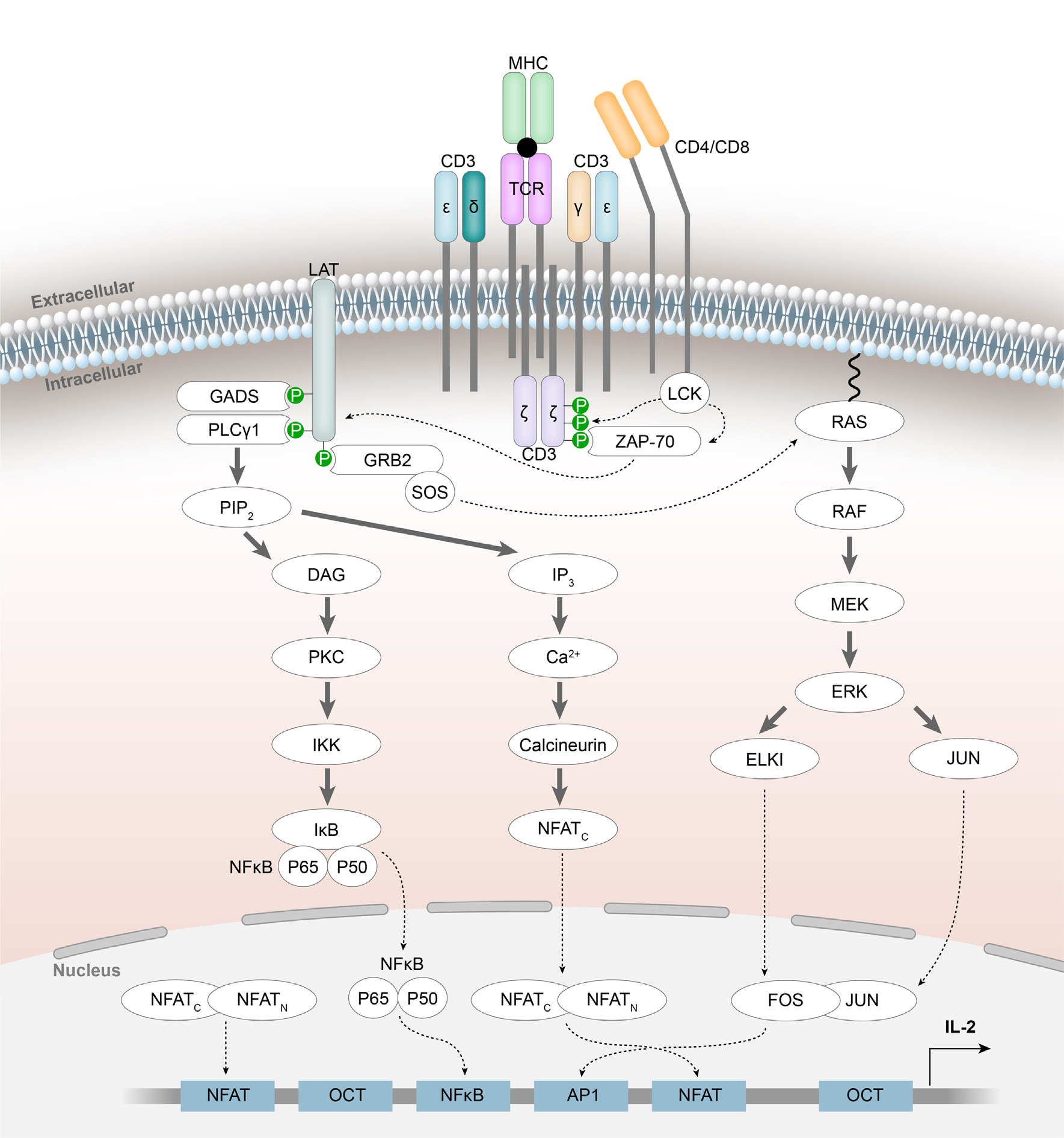
Figure 1. TCR-CD3 Signaling Pathway in T-Cell Activation (Source: https://doi.org/10.1016/j.drudis.2022.04.019)
Epitope Selection Determines Functional Output: Toward Safer CD3-Targeting Strategies
Increasing evidence suggests that the epitope recognized by a CD3 antibody can profoundly influence T-cell activation strength and cytokine release. The classic anti-CD3 antibody OKT3, for example, recognizes an epitope within CD3ε and induces potent T-cell activation. Although this robust activity contributed to its early clinical success, it was also associated with substantial cytokine release and CRS-related toxicities.
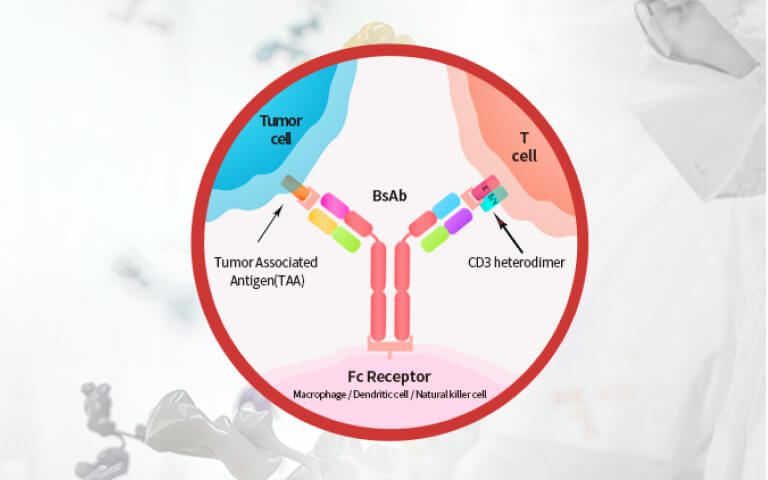
By contrast, antibodies recognizing alternative epitopes may exhibit distinct functional properties. For example, F2B recognizes an epitope associated with the CD3δε heterodimer. TCEs developed based on this epitope, such as AbbVie's ABBV‑383 (BCMA/CD3 TCE) and AstraZeneca's AZD0486 (CD19/CD3 TCE), maintain robust tumor cell–killing activity while markedly reducing the release of key pro-inflammatory cytokines.
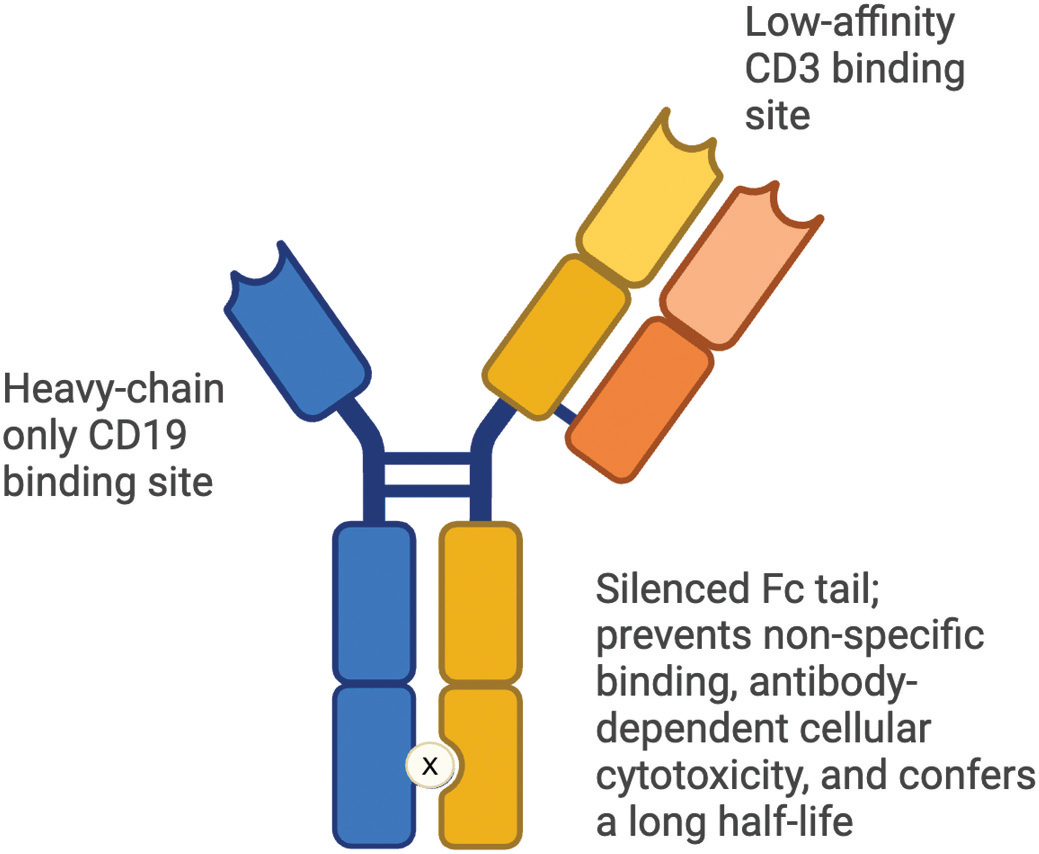
Figure 2. Structural Design of AZD0486, a CD19×CD3 T-Cell Engager (Source: https://doi.org/10.1080/13543784.2025.2500290)
These functional differences likely arise from how distinct epitopes influence the conformation and signaling output of the native, full-length TCR–CD3 complex. Consequently, screening against the native, fully assembled complex provides a more physiologically relevant model of the in vivo antibody-target interface, enabling the systematic discovery of novel epitopes that decouple potent cytotoxicity from excessive cytokine release. This strategy offers a precise molecular starting point for enhancing the safety profile of next-generation T-cell engagers.
Structurally Intact TCR–CD3 Complexes for Next-Generation Antibody Discovery
To address this critical need, we offer TCR–CD3 complex proteins that faithfully reproduce the complete assembly and native conformation of TCR and CD3 subunits. This delivers a robust platform for CD3-targeted antibody discovery and evaluation, accelerating the development of safer and more effective next-generation immunotherapies.
Product Features
- Native-like Conformation: Replicates the complete transmembrane complex, delivering true-to-life physiological relevance.
- Comprehensive-Validated Performance: Proven by anti-CD3 mAbs/bsAbs, anti-TCR αβ antibody and pMHC binding assays, confirming both structural integrity and functional activity.
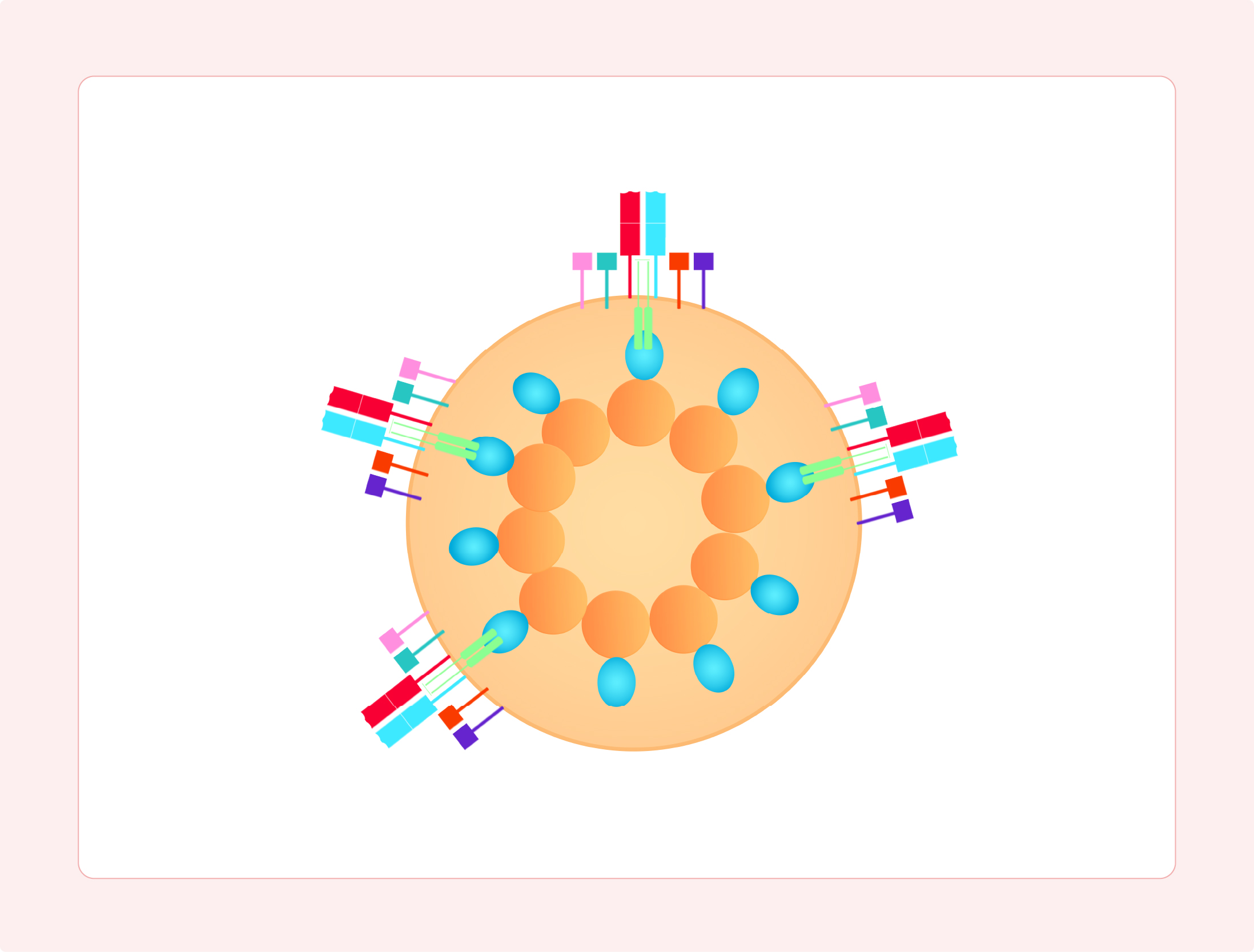
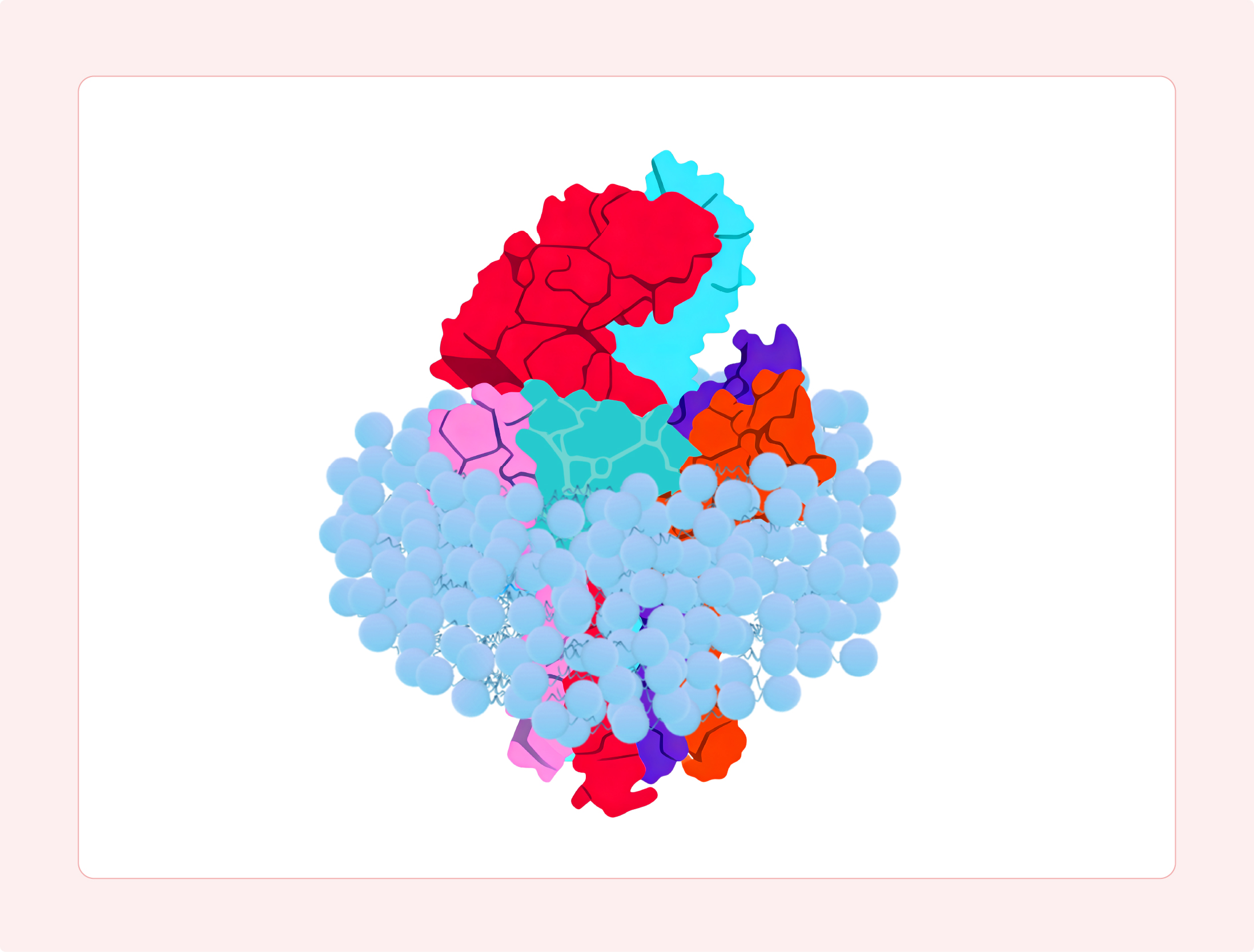
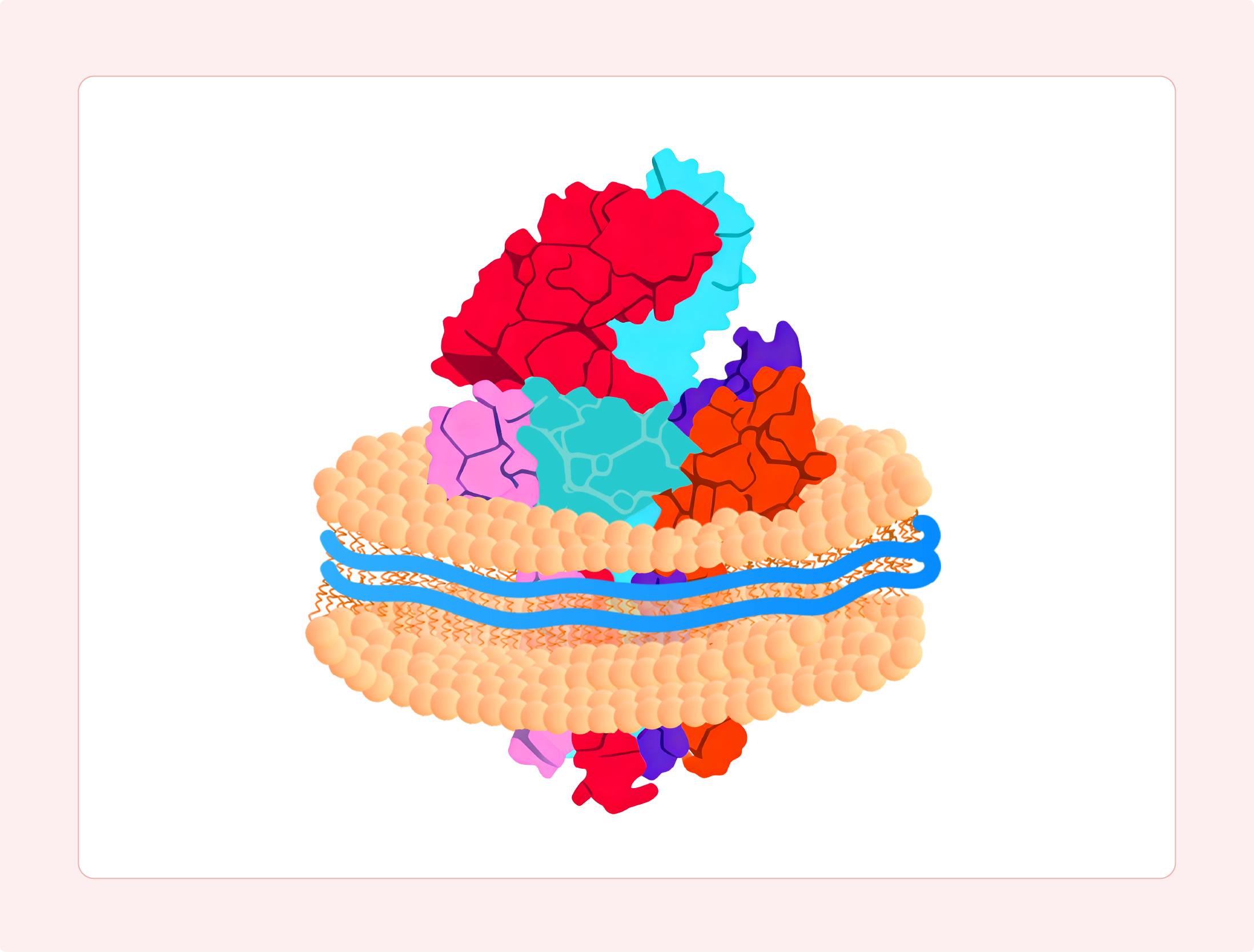
- Multi-scenario Formats: VLP / Detergent / Nanodisc-pro options available, fully supporting diverse flexible R&D workflows.
| TCR-CD3 (VLP) | TCR-CD3 (Detergent) | TCR-CD3 (Nanodisc-pro) |
|---|---|---|
|
|
|
| Recommended Applications: Immunization, Screening, Validation (ELISA/Cell-Based Assays) | Recommended Applications: Screening, Validation (ELISA/SPR) | Recommended Applications: Screening, Validation (ELISA/SPR/Cell-Based Assays) |
References
1. Deng H, Niu Z, Zhang Z, et al. Back on the scene: Advances and challenges in CD3-related drugs in tumor therapy[J]. Drug Discovery Today, 2022, 27(8): 2199-2208. https://doi.org/10.1016/j.drudis.2022.04.019
2. Hambleton H, Cheah C Y. The bispecific antibody AZD0486: an overview of the clinical journey to date with a focus on follicular lymphoma[J]. Expert Opinion on Investigational Drugs, 2025, 34(4): 245-252. https://doi.org/10.1080/13543784.2025.2500290
3. Abdelmotaleb O, Schneider A, Gassner C, et al. The impact of CD3 affinity-attenuation on T cell engaging bispecific antibodies: is it really that simple?[J]. Expert Opinion on Drug Discovery, 2025, 20(8): 943-949. https://doi.org/10.1080/17460441.2025.2522088
Q&A
Q1: Why are CD3 bispecific antibodies gaining attention beyond oncology?
A: Although CD3 bispecific antibodies were initially developed for cancer immunotherapy, their ability to redirect and modulate T-cell activity has also generated interest in autoimmune diseases. Emerging approaches aim to selectively deplete pathogenic immune cell populations or restore immune balance while minimizing systemic immune activation. As understanding of T-cell biology expands, CD3-based immune engagement strategies may find broader applications across immune-mediated disorders.
Q2: Why do CD3 antibodies targeting different epitopes produce distinct cytokine release profiles?
A: Different CD3 epitopes occupy unique positions within the TCR-CD3 signaling complex and may induce varying degrees of receptor clustering, signal amplification, and immune synapse formation. These differences can influence downstream cytokine secretion, T-cell activation kinetics, and cytotoxic responses. Consequently, epitope selection has become an important consideration when optimizing the therapeutic window of T-cell engagers.
Q3: How can researchers evaluate whether a CD3 antibody may carry a lower CRS risk?
A: CRS risk cannot be predicted by binding affinity alone. Researchers typically integrate multiple assessments, including cytokine release assays, T-cell activation studies, immune synapse characterization, and ex vivo human PBMC models. Comparative evaluation against benchmark CD3 antibodies can help identify candidates that maintain cytotoxic activity while limiting excessive inflammatory responses.
Q4: Why is the native TCR-CD3 complex important for CD3 antibody discovery?
A: In vivo, CD3 does not function as an isolated subunit but as part of the multi-protein TCR-CD3 complex. Screening antibodies against individual recombinant CD3 fragments may overlook conformational epitopes or alter binding characteristics. Using native-like TCR-CD3 complexes can provide a more physiologically relevant representation of the target, supporting epitope characterization and candidate selection during early discovery.
Q5: What assays are commonly used to characterize CD3 antibody epitopes and function?
A: A combination of biophysical and cell-based approaches is typically required. Epitope binning, SPR, BLI, mutagenesis studies, and structural analyses can define binding regions, while T-cell activation assays, cytokine release measurements, and tumor cell killing assays help evaluate biological activity. Integrating these datasets provides a more comprehensive understanding of how epitope selection influences therapeutic performance.
 Popular ArticlesRelated RecommendationsPopular Events
 A Comprehensive Guide to Sterility Testing in Biopharmaceutical Manufacturing: From Compendial Methods to qPCR-Based Rapid Testing2026-07-27Page Views:48
 Biomarkers: Enabling Precision Assessment of Cardio-Kidney-Metabolic (CKM) Syndrome2026-07-24Page Views:76
 Converging at BIO, ACROBiosystems Connects Emerging Innovation Assets with Global Strategic Opportunities2026-07-24Page Views:76
 Payload-Specific ELISA Kits for Intact ADC Quantification in Preclinical PK Studies2026-07-22Page Views:83
 Expanding the Potential of Hematopoietic Stem Cells (HSCs): Emerging Strategies for HSCs Expansion and Clinical Manufacturing2026-07-22Page Views:74




![[Free Sample] Universal Fluorescent Anti-VHH Antibody — Precise Detection of VHH-Based CAR Expression](https://console.acrobiosystems.com/uploads/demo/2026/06/02/Anti-VHHAntibodySmallbanner.jpg)
 Related Products