Dual-Payload ADCs: Translational Challenges and Clinical Pharmacology
 Publication Date:2026-06-16
 Page Views:410
Introduction
Antibody-drug conjugates (ADCs) have become a validated modality in oncology, yet conventional single-payload designs remain constrained by tumor heterogeneity, resistance development, and limited immune engagement.
To address these limitations, dual-payload ADCs are emerging as a next-generation strategy that integrates two mechanistically distinct payloads within a single antibody scaffold. This design aims to combine direct tumor cytotoxicity with immune modulation or complementary killing mechanisms.
A representative example is ASP2998, a TROP2-targeting dual-payload ADC developed by Astellas, which combines a TOP1 inhibitor with a STING agonist. Preclinical data suggest enhanced antitumor efficacy and immune memory formation compared with conventional ADCs.
However, as emphasized in a recent Astellas-authored review in Clinical and Translational Science, dual-payload ADC development introduces substantial translational and clinical pharmacology complexity. Among these, pharmacokinetic/pharmacodynamic (PK/PD) alignment between payloads remains a central challenge.
From Single-Payload Limitations to Dual-Payload Rationale
The limitations of conventional single-payload ADCs are becoming increasingly evident. These molecules primarily target antigen-positive tumor cells, which limits efficacy in heterogeneous tumors. In addition, they often fail to generate sustained antitumor immune responses, leading to relapse and limited durability.
Dual-payload ADCs are designed to address these limitations by integrating complementary mechanisms of action.
- Cytotoxic + immune-stimulatory payloads can combine direct tumor cell killing with immune microenvironment remodeling, converting "cold" tumors into "hot" tumors.
- Dual cytotoxic payloads with different mechanisms (e.g., TOP1 inhibitor + RNA Pol II inhibitor) may help overcome resistance and broaden therapeutic coverage.
- Advanced linker technologies may allow sequential or controlled payload release, further optimizing in vivo activity.
ASP2998, which combines an exatecan-derived TOP1 inhibitor with a STING agonist. Preclinical data indicate significantly enhanced antitumor activity compared with single-payload anti-TROP2 ADCs, along with immune memory induction.
Translational Science: Core Challenges in Dual-Payload ADC Development
From a translational perspective, dual-payload ADCs introduce a new layer of complexity in mechanism understanding, biomarker development, and resistance profiling.
1. Mechanistic synergy transcends simple additive effects
The value of dual-payload ADCs lies in mechanistic synergy rather than additive effects.
For example, a cytotoxic payload such as a TOP1 inhibitor may induce DNA damage and immunogenic cell death (ICD), releasing tumor antigens and DAMPs. A STING agonist then amplifies antigen presentation and promotes T-cell activation. The sequential immunological cascade requires validation using 3D tumor models, immunocompetent animal models, and multi-omics approaches.
2. Heightened stringency in antigen selection
Compared with single-payload ADCs, dual-payload ADCs impose stricter requirements on target antigen selection. Ideal targets must demonstrate not only tumor-selective expression but also relatively uniform distribution and efficient internalization, ensuring consistent delivery of both payloads.
Single-cell sequencing and spatial transcriptomics have emerged as increasingly vital tools to dissect tumor heterogeneity and guide target selection.
3. PK/PD Mismatch Creates Biomarker Challenges
A key challenge highlighted in dual-payload ADC development is the mismatch in pharmacodynamic timelines between payloads.
- Cytotoxic payload effects typically occur within 1–3 days (DNA damage, apoptosis)
- Immune activation effects may require 1–3 weeks (cytokine release, T-cell infiltration)
As a result, single time-point biopsies may underestimate the contribution of either payload. Longitudinal sampling combined with multiplex PD biomarker analysis is therefore essential for accurately characterizing exposure–response relationships.
4. Cumulative Risk of Dual Drug Resistance
Dual-payload ADCs face both classical ADC resistance and immune-related resistance mechanisms.
In addition to antigen loss, impaired internalization, and drug efflux, immune escape mechanisms such as PD-L1 upregulation, Treg expansion, and MDSC recruitment may also emerge.
This requires more comprehensive preclinical resistance models to support rational combination design.
5. Companion Diagnostics (CDx) Evolve from Single-Biomarker Testing to Multidimensional Profiling
Unlike traditional ADCs, which rely mainly on antigen expression, dual-payload ADCs require a broader diagnostic framework. For immune-modulating ADCs, STING pathway integrity and baseline tumor immune microenvironment may be as important as antigen expression.
Preclinical evaluation of dual-payload ADCs requires a comprehensive, tiered study design integrating cytotoxicity assays, immunoassays, in vivo pharmacodynamic assessment and mechanistic investigations.
6. Dual-Payload ADC vs Single-Payload ADC: Clinical Pharmacology Comparison
From a clinical pharmacology standpoint, dual-payload ADC development is far more complex than conventional single-payload counterparts. The review systematically highlights key differences in clinical pharmacology considerations between these two modalities, indicating that dual-payload ADCs present significantly higher complexity across the entire development continuum (Figure 1).
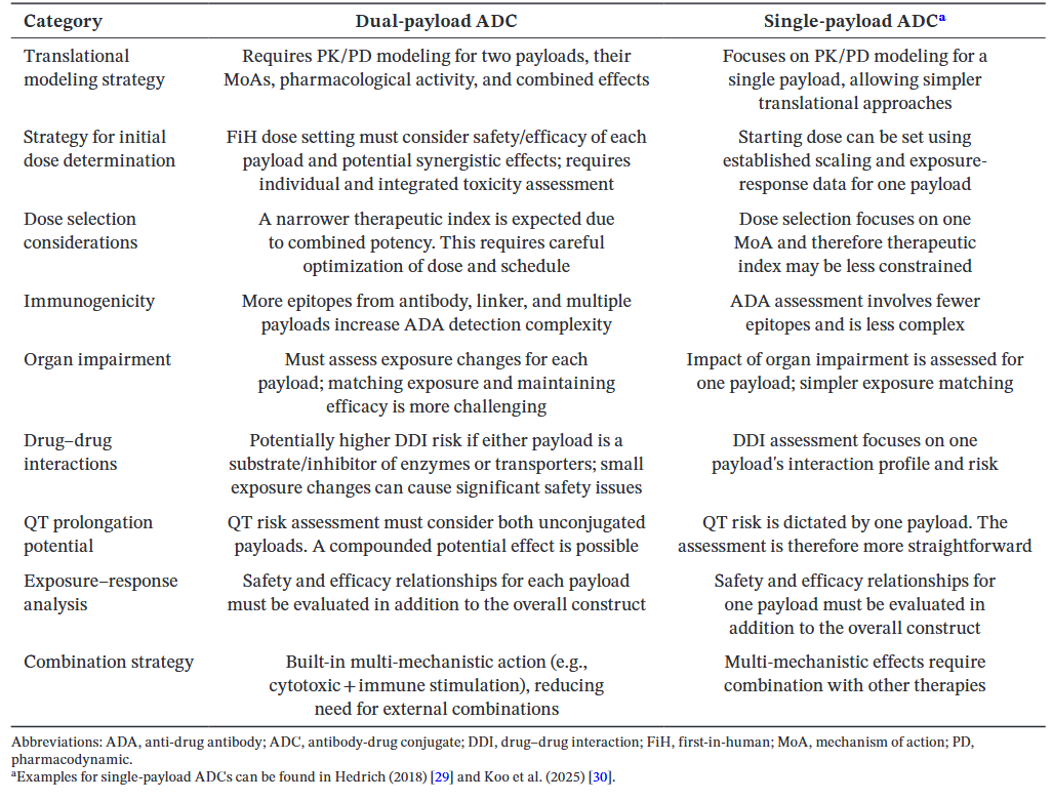
Figure 1. Comparison of clinical pharmacology strategy considerations between dual-payload ADCs and single-payload ADCs. (Source: https://doi.org/10.1111/cts.70569)
Despite these challenges, dual-payload ADCs also offer important therapeutic opportunities. Early-stage clinical development may still benefit from rational combination strategies. In particular, cytotoxic payloads capable of inducing ICD provide a strong mechanistic rationale for combination with PD-1/PD-L1 immune checkpoint inhibitors, potentially enhancing antitumor immune responses. In Figure 2, starting and efficacious dose estimation pathways are proposed for single-payload ADC and dual-payload ADC situations.
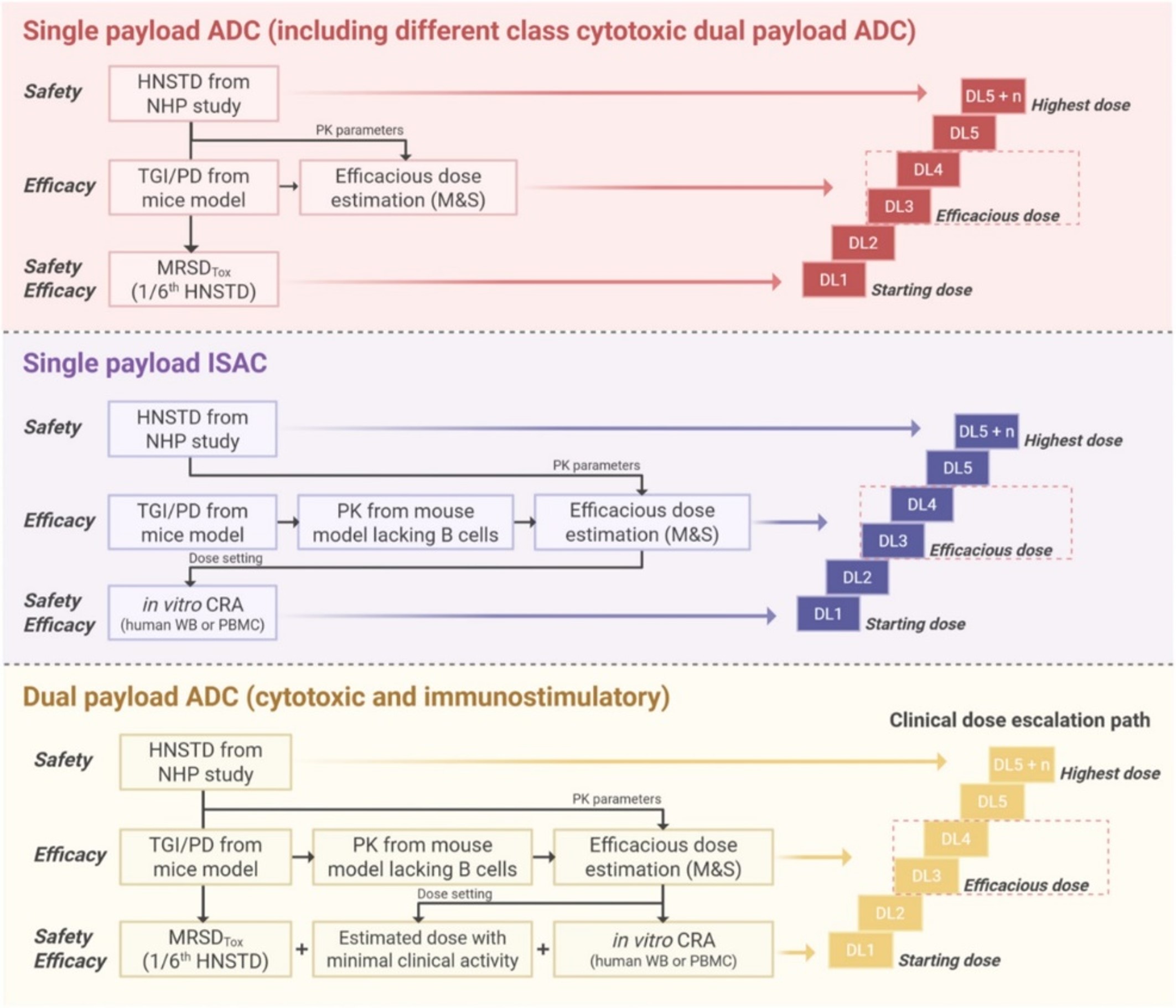
Figure 2. First-in-human study: proposed approaches for estimating starting dose and effective dose of single-payload and dual-payload ADCs. (Source: https://doi.org/10.1111/cts.70569)
7. Combination Strategy for Dual-Payload ADCs
Furthermore, dual-payload ADCs that integrate cytotoxic and immune-stimulatory mechanisms may simultaneously promote tumor cell killing and reshape the tumor immune microenvironment. However, since these constructs do not directly inhibit immune checkpoint signaling, combination with immune checkpoint blockade is likely to remain an important strategy in next-generation cancer immunotherapy development (Figure 3).
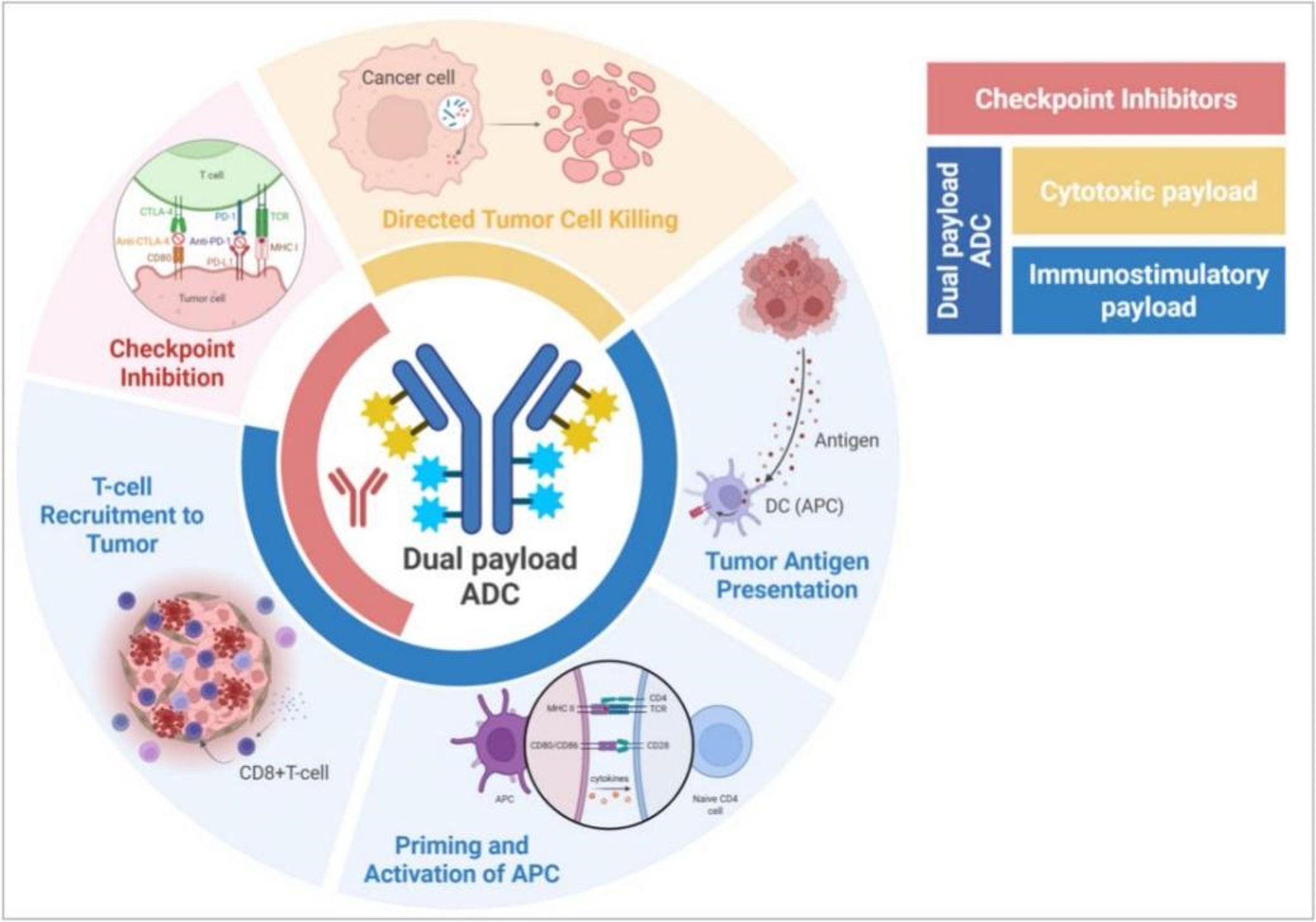
Figure 3. Concept of combination strategies for dual-payload ADCs. (Source: https://doi.org/10.1111/cts.70569)
Regulatory and Future Perspectives: Early but Rapidly Evolving Field
Although dual-payload ADCs are progressing rapidly, the field remains in an early clinical stage, with limited regulatory guidance and clinical experience.
The CTS review highlights several key future directions:
- Identification of payload-specific pharmacodynamic biomarkers remains a major translational challenge, constrained by limited biopsy opportunities and sampling time points.
- Bioanalytical methods must evolve to support multi-analyte detection, including highly sensitive assays for multiple payloads and advanced anti-drug antibody characterization.
- No established regulatory guideline currently exists for first-in-human dose selection in dual-payload ADCs, requiring integrated evaluation of safety, efficacy, and payload interaction effects.
Overall, dual-payload ADCs represent a promising next-generation ADC strategy with the potential to overcome resistance and improve therapeutic durability. However, successful clinical translation will depend on continued refinement of translational and clinical pharmacology frameworks.
Enabling Technologies: Bioanalytical Support for ADC Development
These translational and clinical pharmacology challenges place increasing demands on bioanalytical characterization throughout ADC development. For dual-payload ADCs in particular, independent monitoring of payload exposure, stability, and pharmacodynamic activity is critical for understanding exposure–response relationships and supporting PK/PD evaluation. As ADC formats become increasingly complex, payload-specific bioanalytical strategies are playing a growing role in both preclinical and clinical development.
ACROBiosystems provides a comprehensive portfolio of high-affinity anti-payload antibodies designed to support ADC pharmacokinetic analysis and payload-specific assay development. These reagents cover major ADC payload classes including DXD, MMAE, DM1, PBD, and SN38.
To support method development, Anti-Payload Antibody Panels include 2–4 monoclonal clones per payload, enabling systematic reagent screening and assay optimization for ADC PK/PD studies.
FAQ
Q1: What Are Dual-Payload ADCs Designed to Address?
A: Dual-payload ADCs are being explored to address limitations of conventional single-payload formats, including tumor heterogeneity, acquired resistance, and limited immune activation. By incorporating two mechanistically distinct payloads within a single construct, these designs aim to extend activity across both direct tumor cell killing and tumor microenvironment modulation. This concept is also reflected in preclinical studies evaluating combinations of cytotoxic and immune-modulating payloads.
Q2: How Is Target Antigen Selection Validated in ADC Development?
A: A key challenge in ADC development is ensuring antigen expression supports efficient internalization and intracellular payload delivery. Tumor heterogeneity may lead to uneven antigen distribution, affecting drug exposure. To address this, researchers use expression profiling and tissue-level analysis to evaluate antigen suitability. In these workflows, ACROBiosystems provides antibody-based reagents that support antigen detection and in vitro validation during target selection.
Q3: How Is Mechanistic Interaction Between Two Payloads Evaluated?
A: Mechanistic evaluation focuses on understanding whether two payloads act independently or produce coordinated biological effects within tumor models. Common experimental systems include 3D tumor cultures, immune co-culture assays, and in vivo studies to assess cytotoxic and immune-related responses. These studies rely on established biological readouts such as cell viability, apoptosis, and immune activation markers.
Q4: What Are the Key Challenges in PK/PD Analysis of Dual-Payload ADCs?
A: PK/PD evaluation is complicated by differences in exposure kinetics and response timing between payloads. Cytotoxic effects may occur rapidly, while immune-related responses develop over longer periods. This limits the effectiveness of single-metric exposure analysis. Integrated assessment of intact ADC, antibody, and payload-related species is often required. ACROBiosystems anti-payload antibodies are commonly used in ligand-binding assays to support quantitative PK analysis and exposure–response studies.
Q5: What Bioanalytical Requirements Are Critical for Dual-Payload ADC Development?
A: Dual-payload ADCs require simultaneous quantification of multiple analytes, including intact ADC, total antibody, conjugated payloads, and free payloads, each with distinct analytical requirements. This increases the need for highly specific and sensitive assay systems. To support assay development and validation, ACROBiosystems provides anti-payload antibody panels covering major payload classes such as DXD, MMAE, DM1, PBD, and SN38 for PK/PD and bioanalytical applications.
 Popular ArticlesRelated RecommendationsPopular Events
.jpg) Development and validation of bioanalytical assays for the quantification of ADC2026-06-17Page Views:334
Development and validation of bioanalytical assays for the quantification of ADC2026-06-17Page Views:334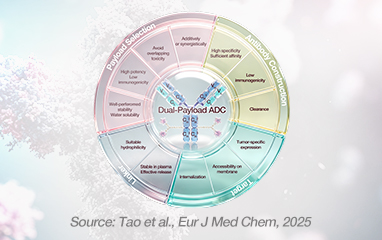 Next-Generation Dual-Payload ADCs: Target Selection, Payload Synergy, and Clinical Pipeline Analysis2026-06-12Page Views:2907
382-240.jpg) B7-H3 (CD276): Clinical Progress and Emerging Therapeutic Strategies in Solid Tumors2026-05-26Page Views:1123
B7-H3 (CD276): Clinical Progress and Emerging Therapeutic Strategies in Solid Tumors2026-05-26Page Views:1123 Beyond Expression: Functional Biology in ADC Target Evaluation2026-05-26Page Views:1026
 Navigating the Complex Landscape of ADC Quality Control: From Critical Quality Attributes (CQAs) to Clinical Success2026-03-19Page Views:2398




 Related Products